

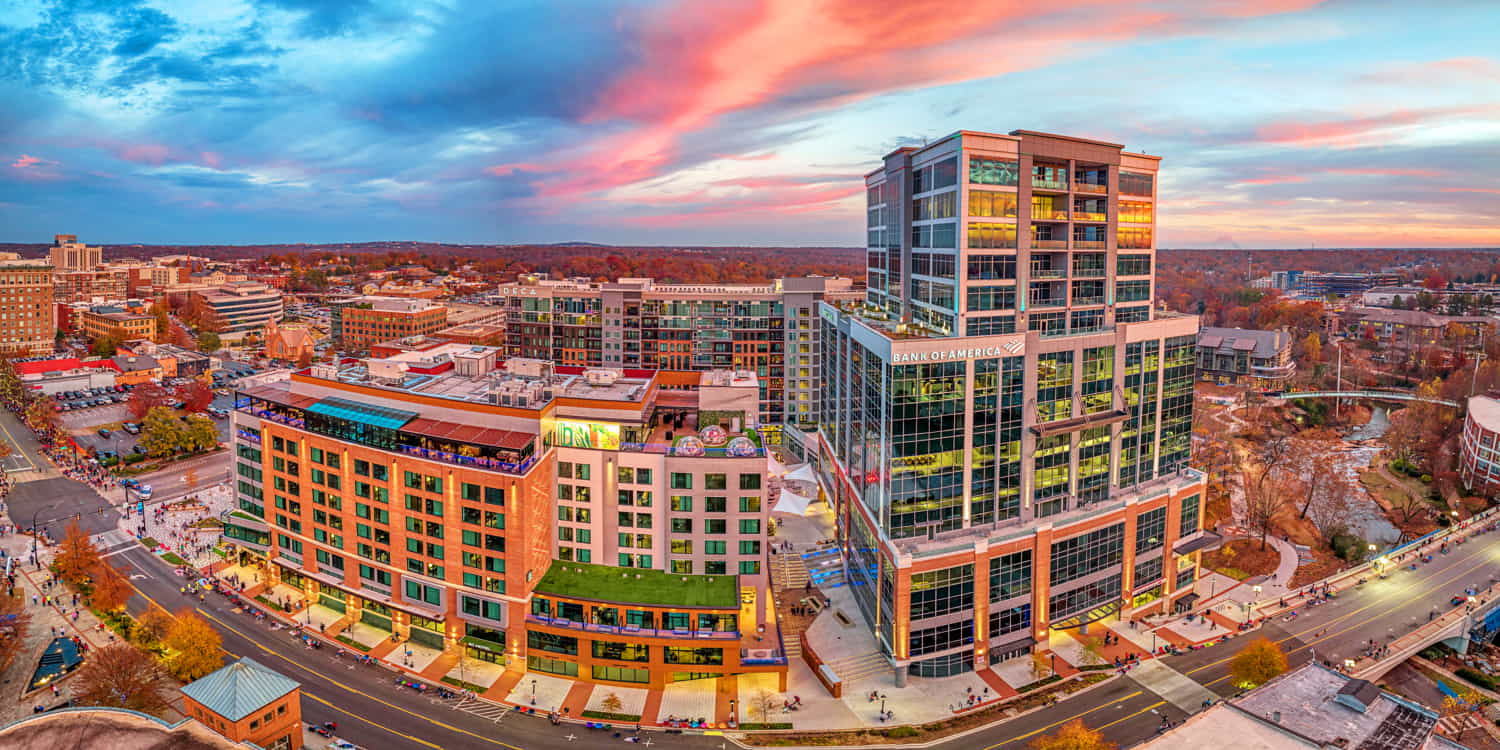
Greenville, South Carolina







My first impression after arriving was the inviting setting. Greenville is nestled in the foothills of the Blue Ridge Mountains. While its population (about 70,000) gives it small city status, the atmosphere in many ways resembles that of a small town. Adding to the attraction is a unique blend of traditional Southern charm and cosmopolitan cool. No wonder The New York Times ranked Greenville 14th on its 2023 list of “52 places to go,” Conde Nast Traveler called it “#1 Friendliest city in the U.S.” while Travel + Leisure reported that its culinary treasures earn it a place among the "Bet food cities in the U.S."

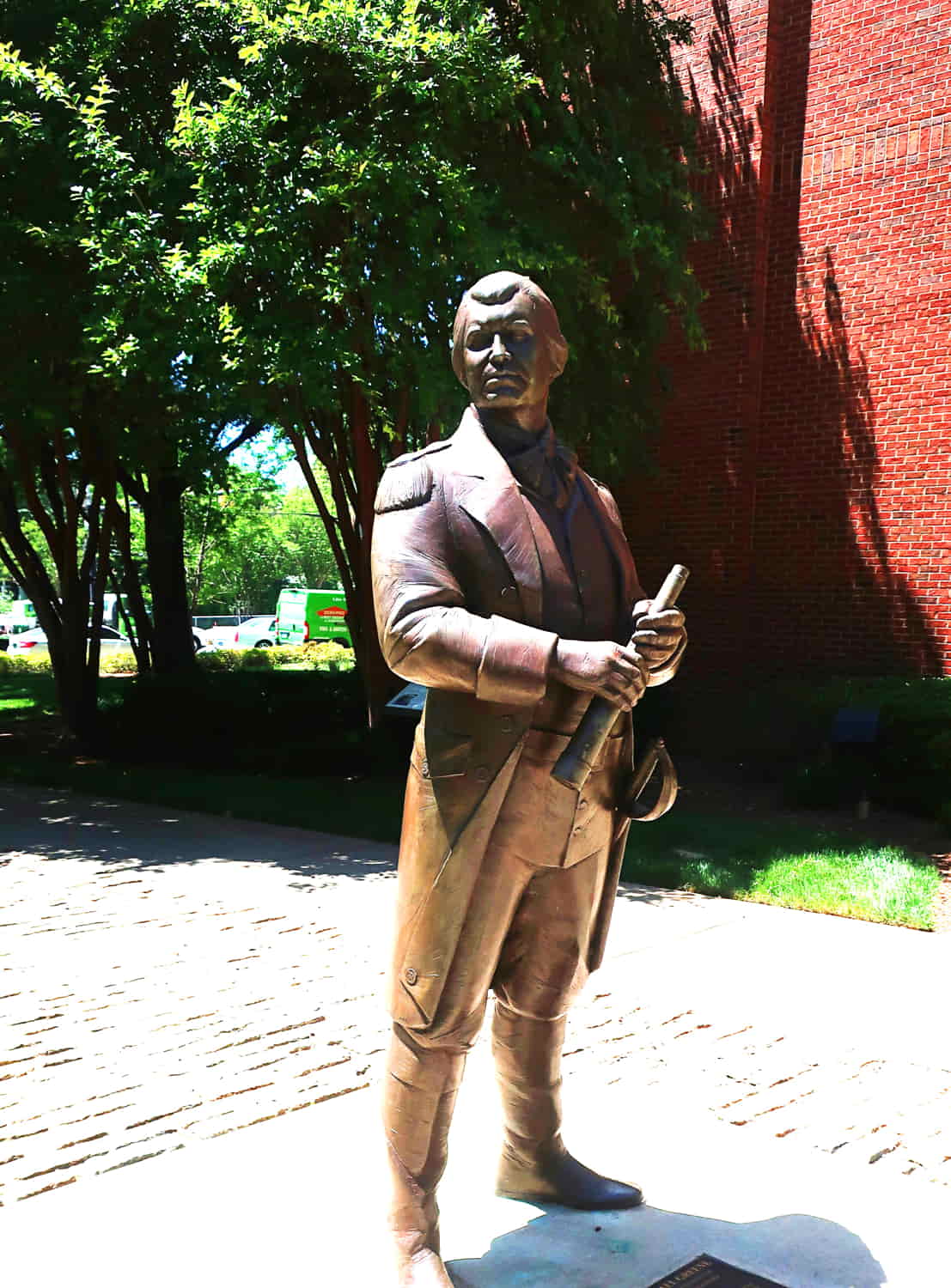
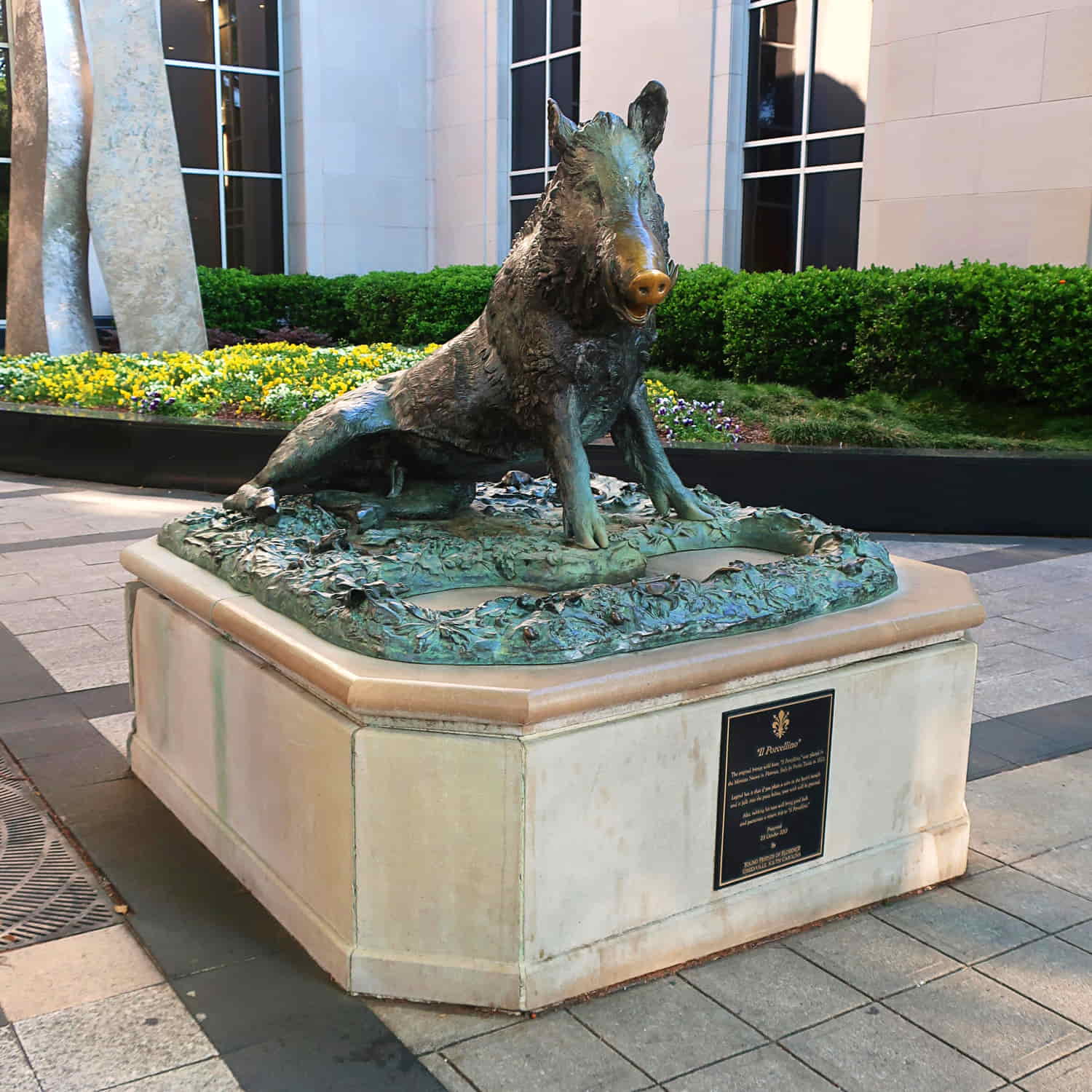
While strolling in town, I also kept my eyes peeled for glimpses of sculptures, murals and other public art which transform Greenville’s streets into an open-air gallery. I saw one reference to more than 160 pieces of public art, including statues, fountains, plaques and more.
Heritage Green
A world-class collection of other works is not far away at Heritage Green, an arts and cultural campus. The Greenville County Museum of Art houses the world’s largest public display of watercolors by Andrew Wyeth, and an impressive assortment of paintings and prints by Jasper Johns. Its Southern Collection surveys American art from Colonial times to the present.

Upcountry History Museum
Sharing the Heritage Green site are the Sigal Music Museum, a children’s museum and my favorite, the Upcountry History Museum. That institution depicts South Carolina’s “Upcountry,” the state’s northwestern area which includes Greenville. Videos, dioramas and exhibits trace the nation’s past beginning with the American Revolution, and tell stories of people as varied as Native Americans, pioneer settlers and formerly enslaved people.

These touches of culture add a pleasant surprise in a community the size of Greenville. While its museums, galleries, theaters and symphony orchestra rival those of much larger cities, it retains many of the attributes and attractions of small-town United States.

Liberty Bridge
The river flows beneath the Liberty Bridge, a 355-foot-long curved span which is suspended by a single cable and is the only overpass of its kind in the United States. At this point, the Reedy River Falls tumble 28 feet over a rocky path at the place where Greenville’s first European settler in 1768 established a trading post and later built grist and saw mills.

Another magnet for travelers is the city’s reputation as a gourmet paradise, which earned it yet another tribute, from People magazine as among the “Top New Foodie Cities in America.” In addition to down home southern cooking, hundreds of restaurants (I didn’t count) offer food from around the country and the world. This full menu of tastes treats enhances Greenville’s status as a small city or – in many ways – a large small town. It combines an air of sophistication usually associated with much larger urban centers and a friendly, down-to-earth lifestyle.
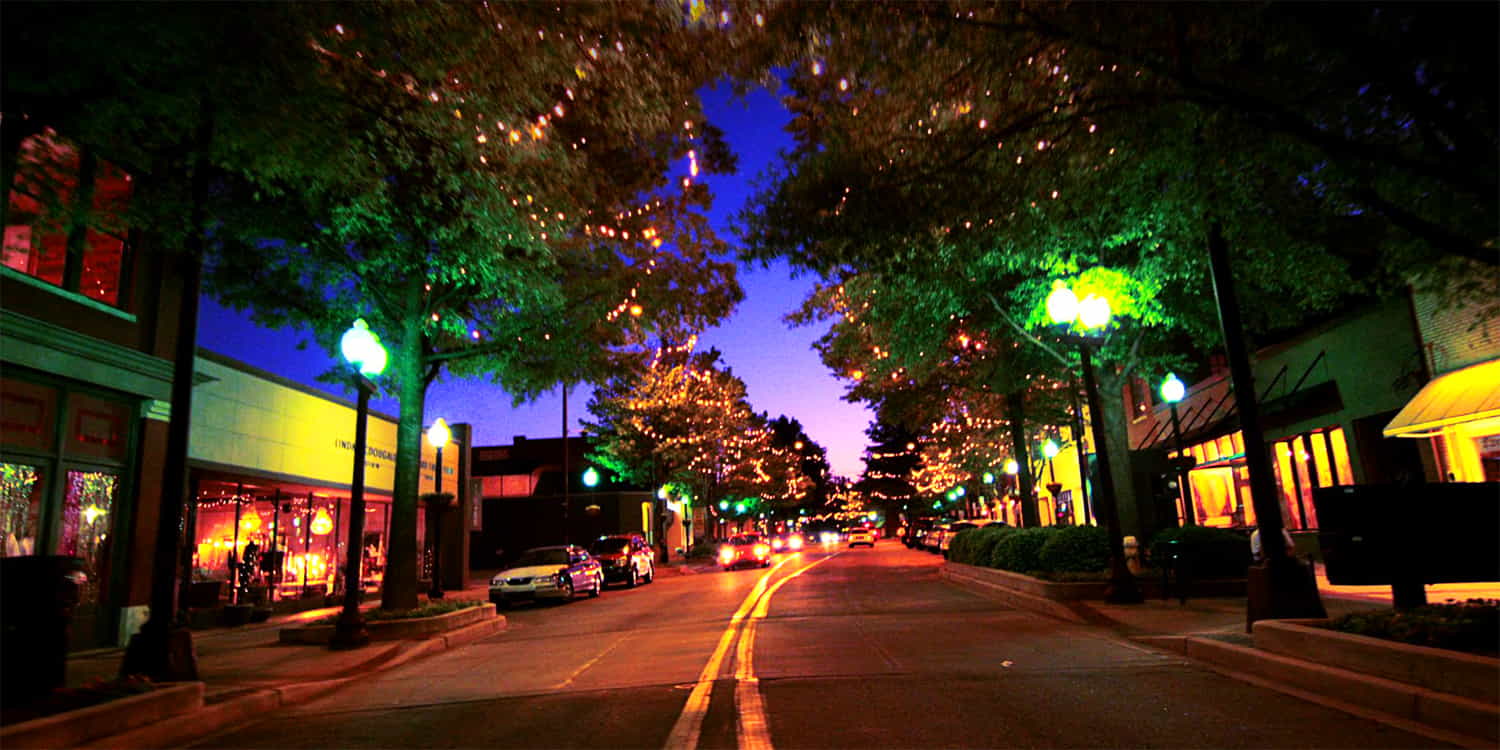
Greenville's reputation as a small city with big city appeal continues after sunset. Interested in imbibing at a brewery or bellying up to a bar? Prefer to saunter into a modern-day speakeasy, compete in a karaoke contest or dance the night away? A number of choices await you.

How much it will cost to visit Greenville is up to you. There's a range hotels, restaurants and other services in every price range, and many attractions are free.
Whether I was taking in the sights during the day or checking out nighttime attractions and activities, I felt safe walking in Greenville. As is true in any city, large or small, it's wise not to wander into areas off the beaten track with which you're not familiar.

Victor Block
Victor Block is an experienced, established travel journalist and guidebook author and contributor. I have traveled throughout the United States and to nearly 80 other countries, and my stories have won a number of writing awards. I'm a member of the Society of American Travel Writers and the North American Travel Journalists Association.



Have you visited this city?
Log in to add an extended review and see personalized scoring.