Taipei, Taiwan
Sightseeing & City Tours
Trip Perspectives
I went to Taipei as an English teacher, but ended up falling in love with the culture and meeting my wife on the Taipei metro just before my first year was up.
Taipei has everything going for it that I love in a travel destination: super friendly and welcoming locals, modern and traditional elements, incredible street food, beer, and cocktail scene, hiking trails, hot springs, and beaches surrounding the city, excellent public transportation, reasonable cost of living, and it’s extremely safe.
What kind of traveler would really appreciate Taipei?
Just about any type of travel who has already done Southeast Asia and/or Japan and loved it, but is now looking for somewhere a little more off-the-beaten-track. It’s also particularly appealing to anyone who loves hiking and outdoors activities, and it is very family-friendly.
You've helped a lot of people plan trips to Taipei, which attractions or experiences do you recommend the most?
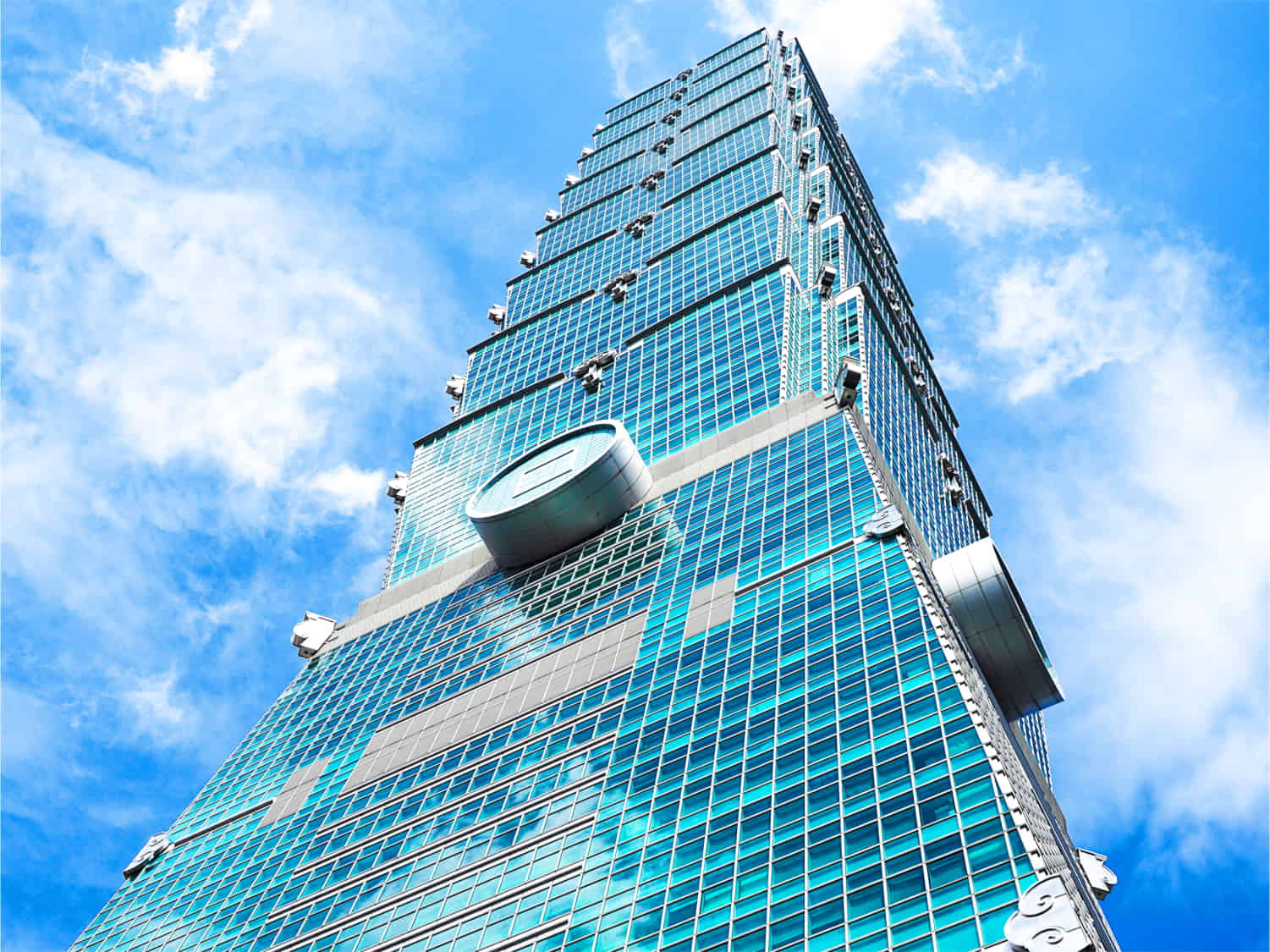
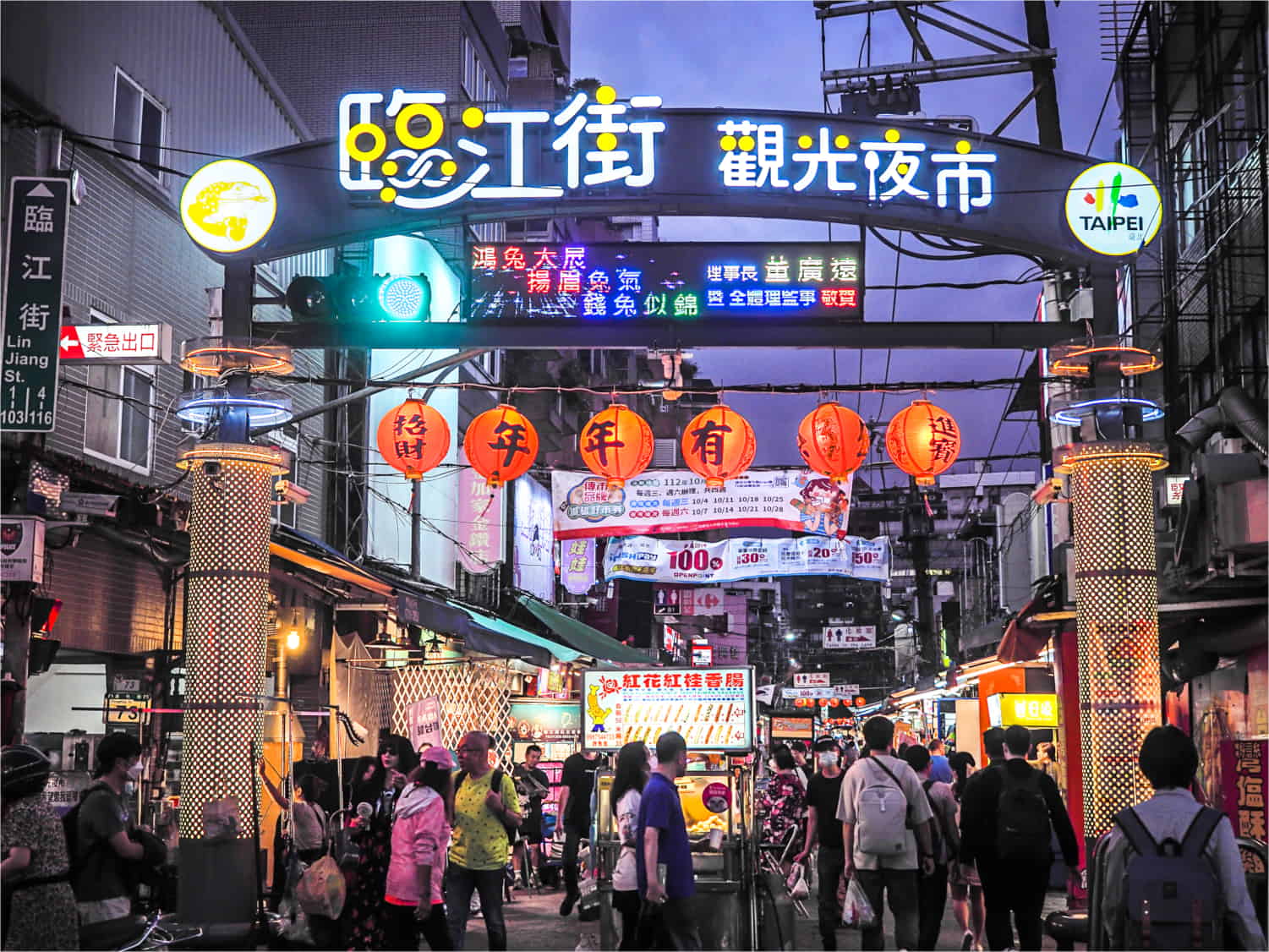
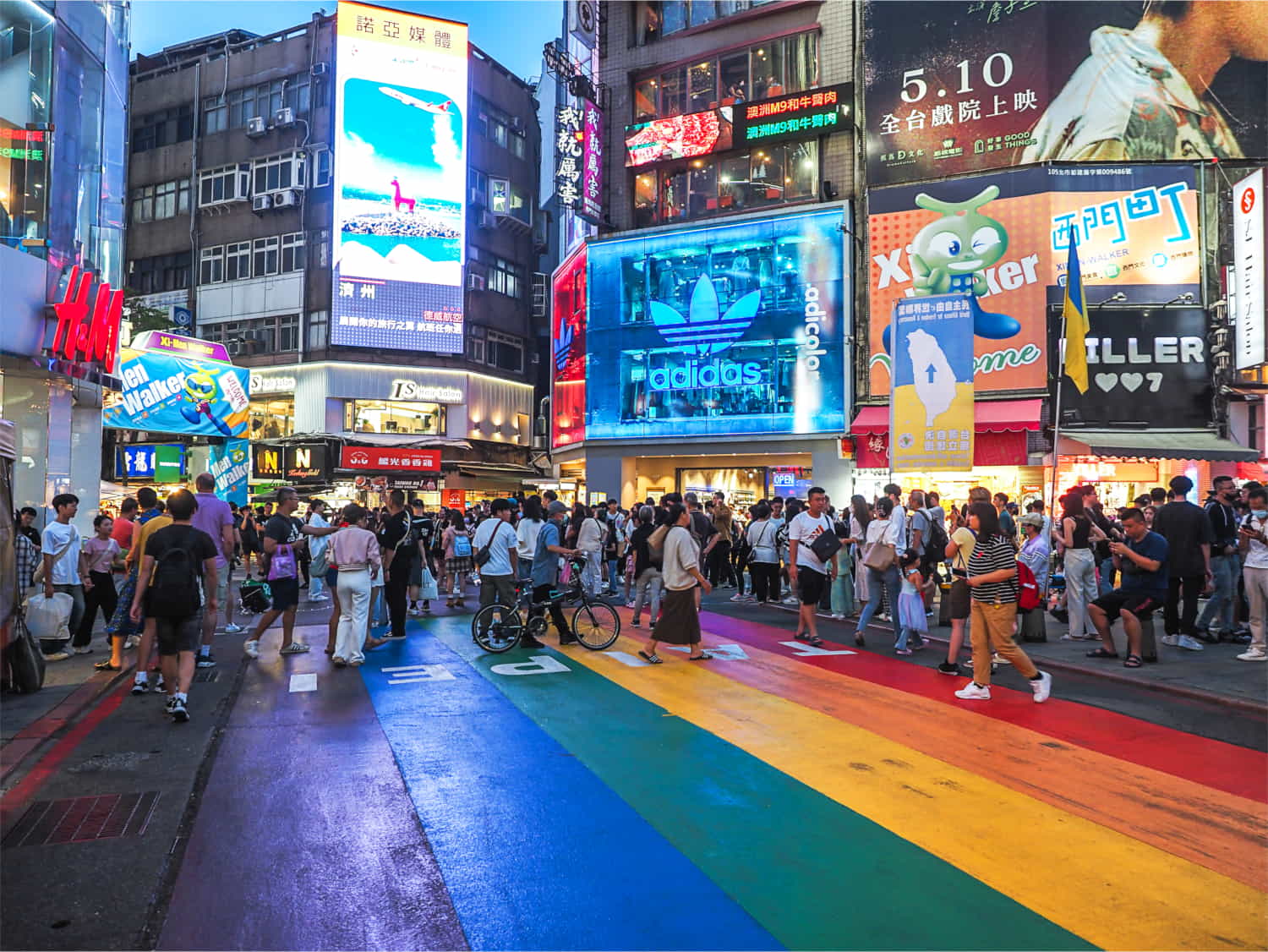
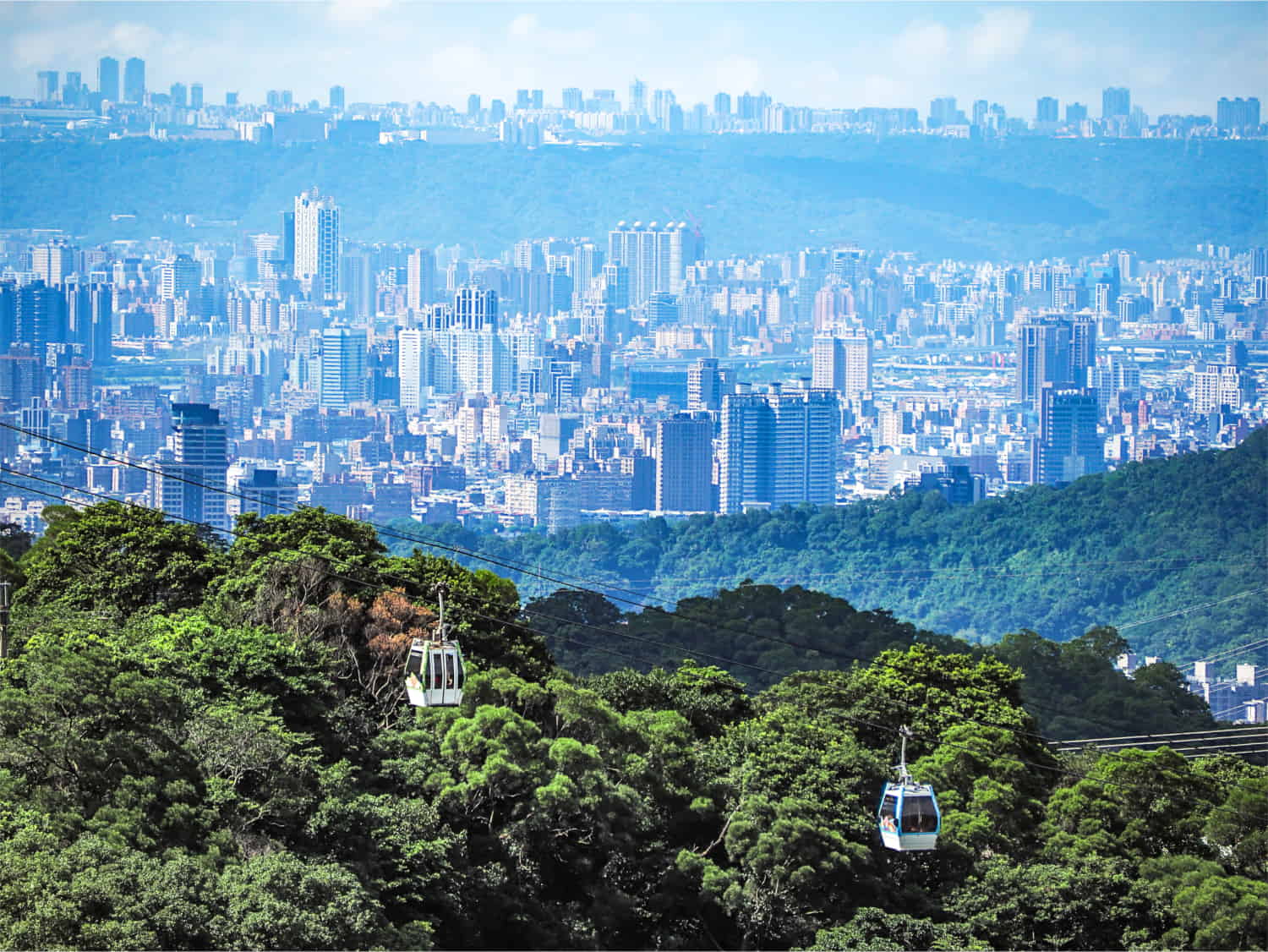
Some of the must-dos in Taipei include going up Taipei 101 (once the world’s tallest building), riding the Maokong Gondola to tea plantations overlooking the city, shopping in trendy Ximending, soaking in thermal hot springs at Beitou, and snacking in one of the city’s legendary night markets.
To go deeper, I recommend seeing a Taiwanese opera performance at TaipeiEye, learning kung fu tea ceremony in a traditional teahouse, and riding a YouBike along one of the riverside parks.
How would you describe the Taipei food scene, and what's one dish visitors must try before they leave?
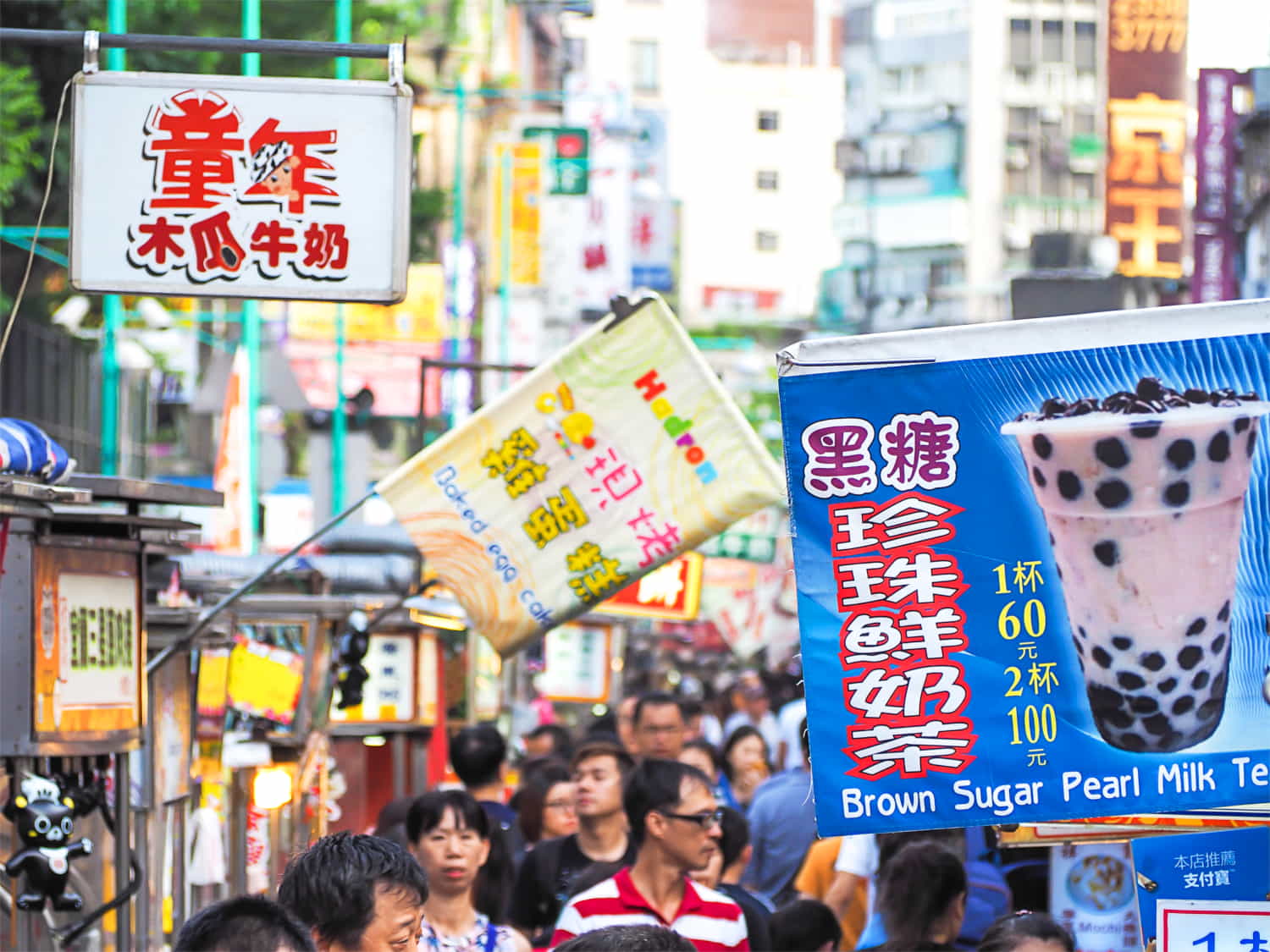
Taipei is particularly known for its street food and night markets.
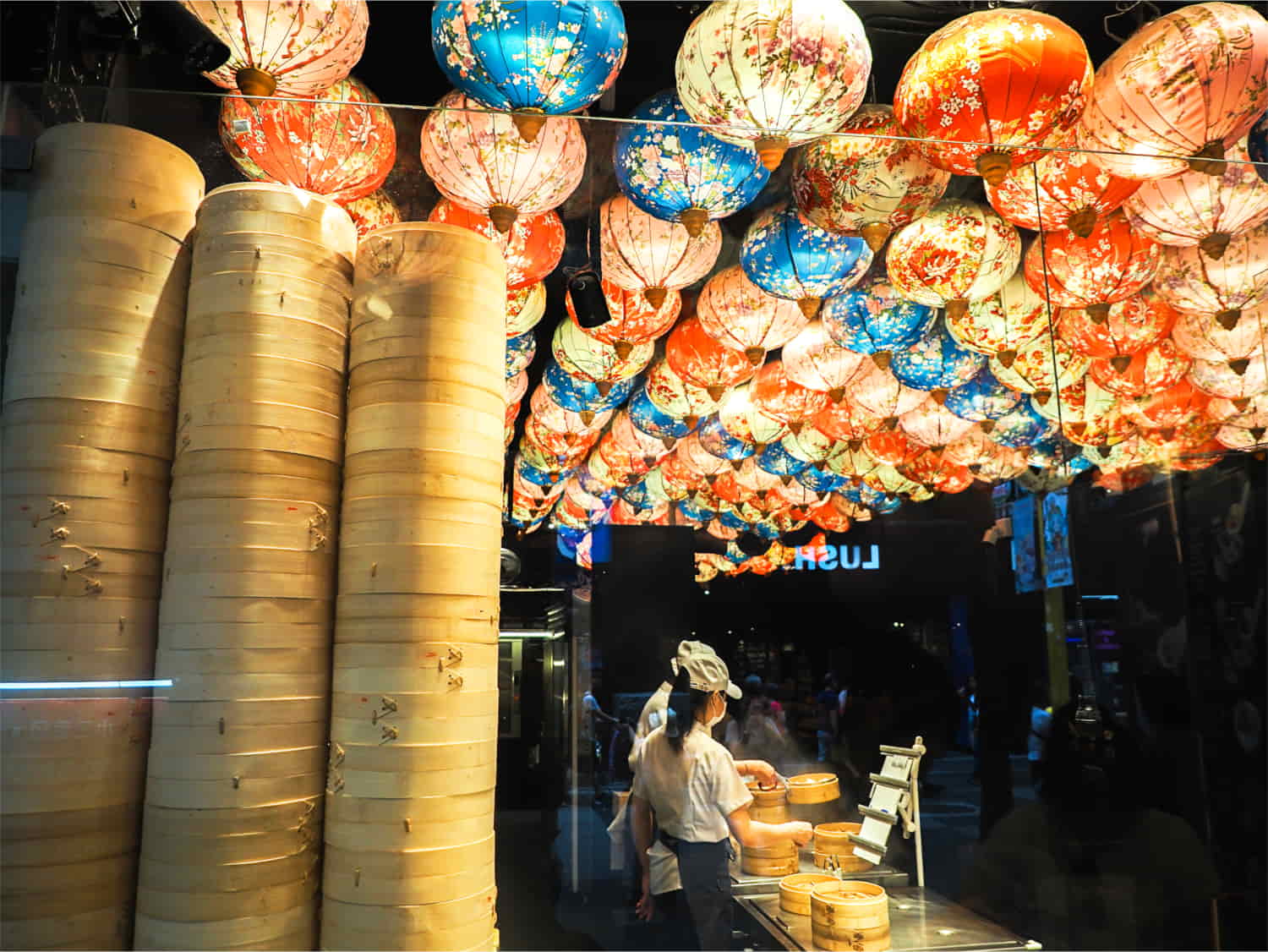
Every visitor must hit at least one of the “big five” night markets in the city: Raohe, Shilin, Ningxia, Tonghua, or Nanjichang. For sit-down restaurants, hot pot, DIY barbecue, and conveyor belt sushi and big hits. Din Tai Fung, which specializes at xiaolongbao (soup dumplings) is the city’s most famous chain.
One dish you must try in Taipei is beef noodles, but if you’re feeling braver, also try stinky tofu.
How does Taipei transform after dark? What is the evening vibe like?
Many locals and visitors gravitate to night markets from around 6 to 11 PM. These are mainly focused on food. They can get quite packed, but crowds are generally polite and respectful of personal space.
There’s no backpacker street or bars like you’d find in Southeast Asian destinations – for a night on the town, you can try one of the city’s many excellent craft beer bars, speakeasy-style cocktail bars, live music venues, or bigger night clubs.
There are a sprinkling of 24-hour restaurants and even a 24-hour bookstore. Convenience stores like 7-Eleven and FamilyMart are everywhere, open around the clock, and sell liquor, so another fun nighttime idea is to explore the city streets with a drink in hand – it’s safe to walk anywhere, even for solo female travelers.
Having raised kids in Taipei, how did you find navigating the city day-to-day?
Taiwanese people are some of the friendliest and most welcoming people in the world. While some can be shy or nervous to practice English at first (even though most of them can speak it at least a little), they tend to love visitors and want to hear what you think about their country.
Scams and petty crimes are almost unheard of in Taiwan – for example, lost wallets are almost always turned in and customers will leave their laptops along on a table in a cafe while they leave for a while.
While traveling around, you will face communication standstills with people who can’t speak English, but Google Translate will help.
Cultural points to be aware of – be very quiet on public transportation, take restaurant bills to the cashier at the front to pay, and don’t leave tips. The MRT comes with its own rules – no food or gum, dark blue chairs are for the needy, and keep right to stand on escalators.
In terms of natural events to be aware of – typhoons can disrupt travel from July to October, rain can fall in any month of the year, and small earthquakes are a part of daily life in Taiwan.
How should visitors think about budgeting for a trip to Taipei and what's something they should absolutely splurge on?
Taiwan is a little pricier than most Southeast Asian countries but a little cheaper than Japan. You can keep costs down by booking your accommodations well in advance, booking your HSR (high speed rail) tickets in advance, and making smart choices in the road (for example, street food instead of upscale restaurants, YouBikes instead of taxis, and 7-Eleven beers instead of bars).
If you splurge on a few things, make it a guided day tour of Taroko Gorge (currently tough to visit on your own ever since it was badly damaged by an earthquake in 2024), the Skyine 460 experience (standing on the top of Taipei 101 instead of the usual indoor observatory), and perhaps staying in one higher end hotel on your trip.
After all of your time there, what's one thing you wish more people knew about Taipei?
Other cities in Taiwan (like Taichung, Tainan, and Kaohsiung) deserve just as much time, not to mention the many nature-focused attractions across the country. And Taiwan is so well connected, you don’t need to go back to Taipei again at the end of your trip, as so many visitors do.
Spend more time in other parts of the country, and then go directly to the airport at the end of your trip.
nickkembel
Nick has traveled to 50+ countries but considers Taiwan his second home. He has lived there for over a decade, got married and raised his kids there, covered Taiwan for the likes of CNN and National Geographic, and has authored two books about the country ("Taiwan in the Eyes of a Foreigner" and "Nick's Taiwan Travel Guide"). He runs the "Taiwan Travel Planning" Facebook group and two websites: TaiwanObsessed and Nickkembel.com.


Have you visited this city?
Log in to add an extended review and see personalized scoring.