Yellowstone National Park
Adventure Travel & Outdoor Activities
Trip Perspectives
Tell us a little about yourself and an experience that helped shape your travel style.
I am mostly a do-it-myself type of traveler. We usually travel as a family, but my husband and I also like to go on separate trips, either as a couple or with a group of our friends.
I like a mix of seeing the best sights and discovering the unknown or less popular attractions that interest me and my family. I believe that travel is very personal and is not one size fits all.
I personally love the outdoors the most and seeing beautiful places around the world. And the food. I love a good meal and trying a new culture’s cuisine. It’s not about ticking off the bucket list boxes, but experiencing the destination the way we want to.
What initially pulled you toward Yellowstone, and has that changed over time?
Yellowstone is an amazing National Park. We lived in Bozeman, Montana for years and the close proximity made visiting Yellowstone easy. We would visit whenever we had friends and family come to town and we also made trips on our own as a family.
The park is huge! We could always find something new to explore. Our family loves being in the outdoors and the kids love seeing animals, so Yellowstone is an ideal destination for us. Every visit we ever took to Yellowstone was exciting because you never knew which animals you would see and when.
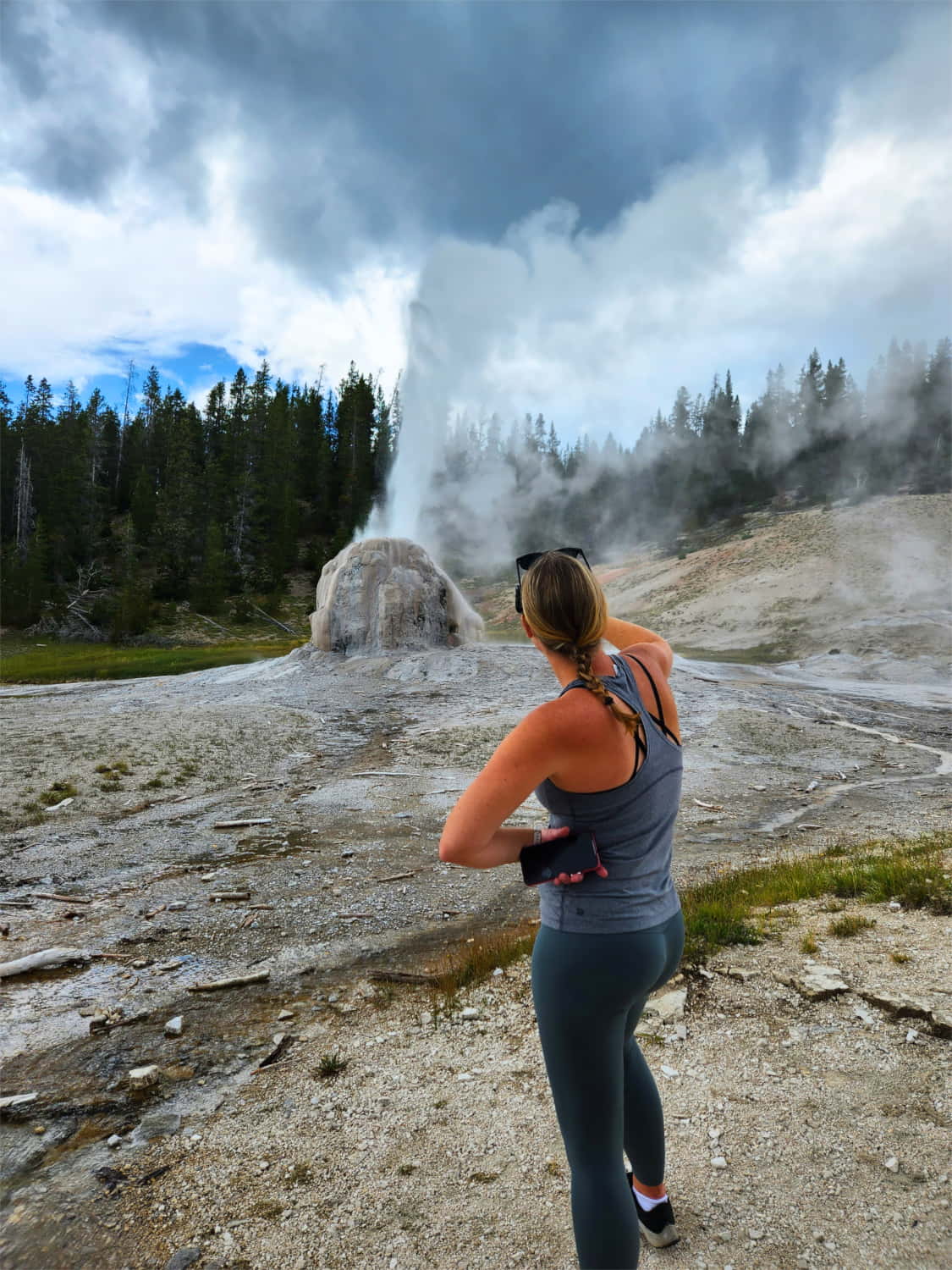
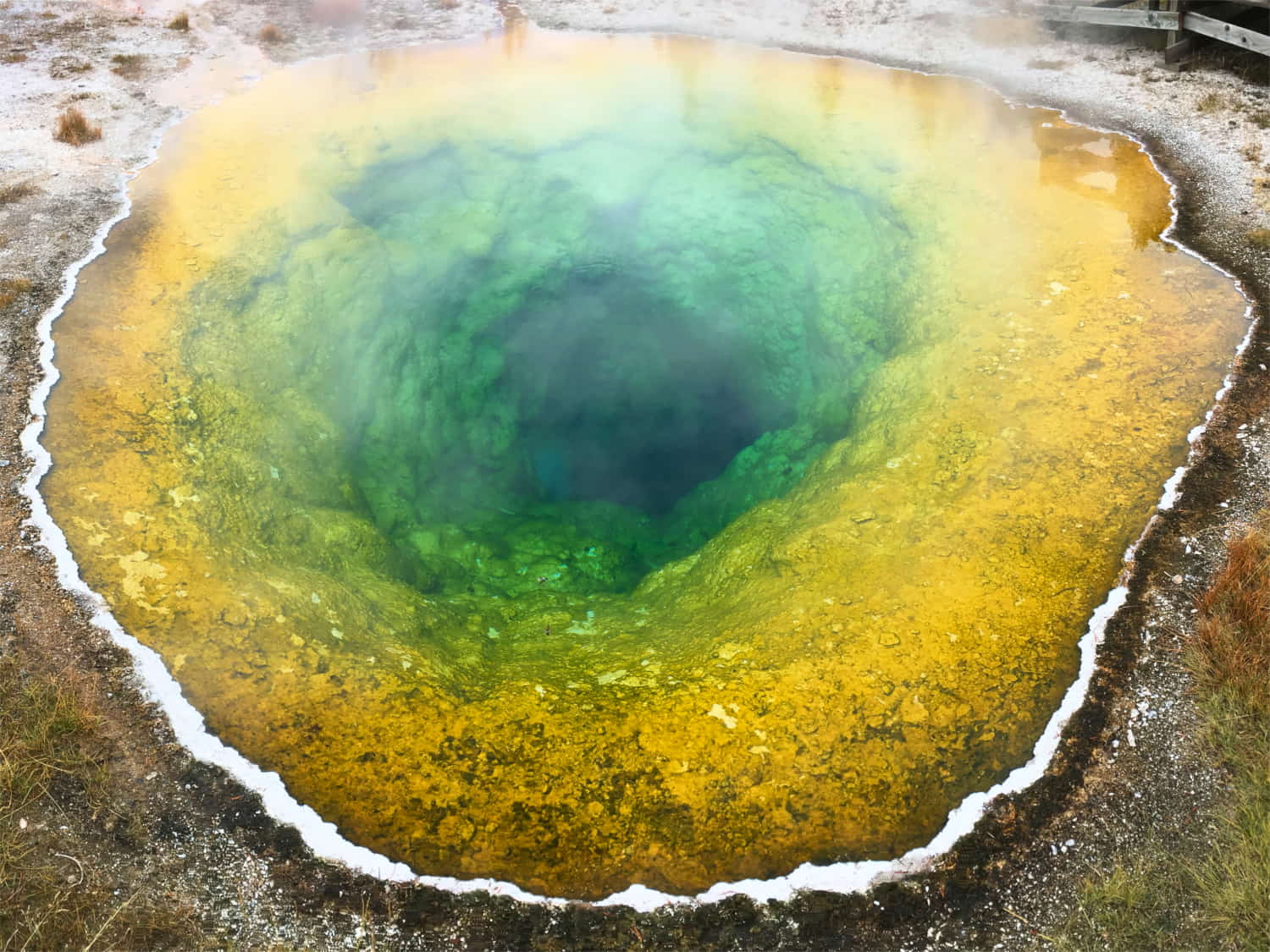
Yellowstone is unique because each section of the park is different. You have the geyser basin areas that have a huge concentration of hydrothermal features. You could spend days seeing them all.
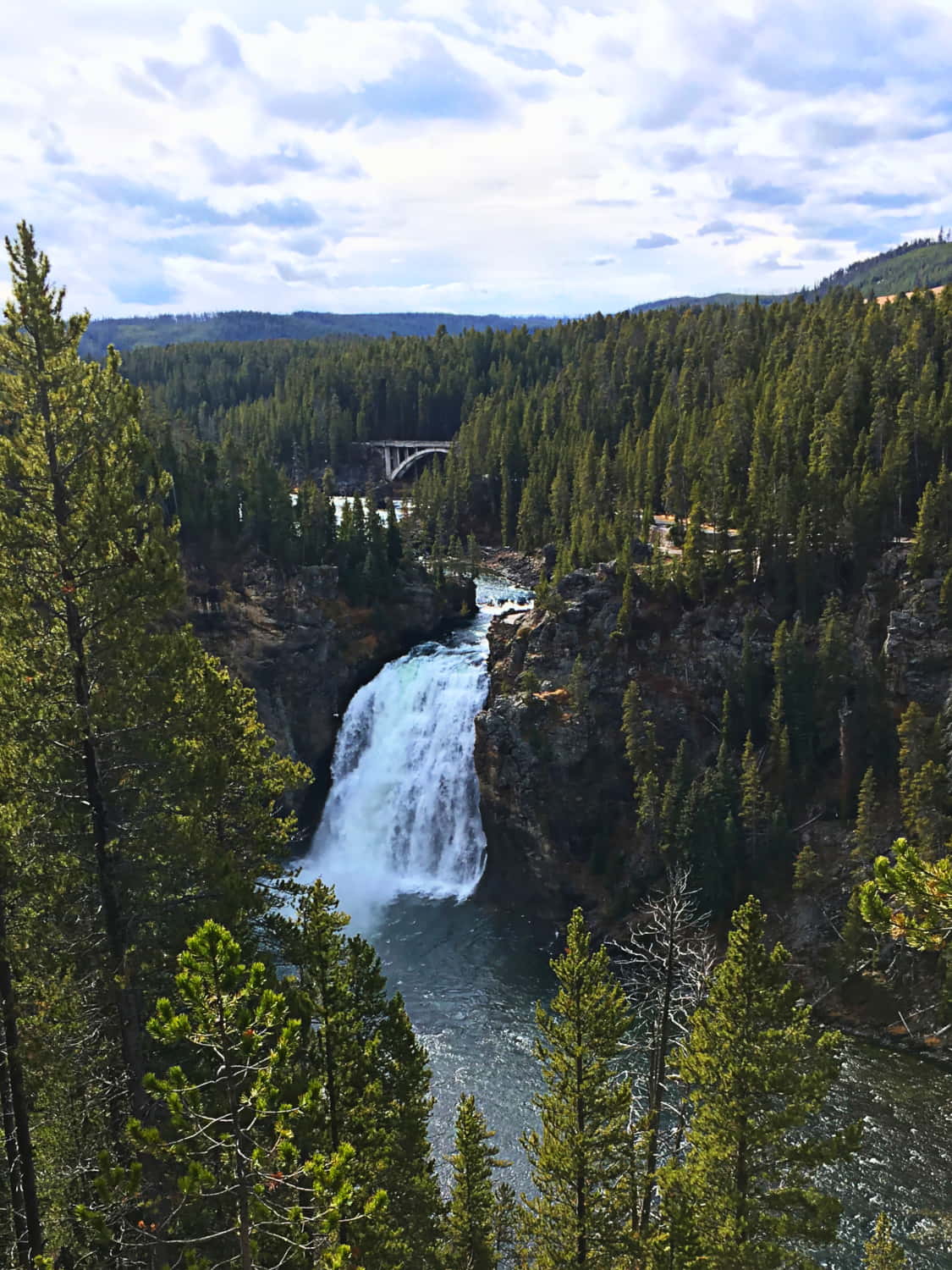
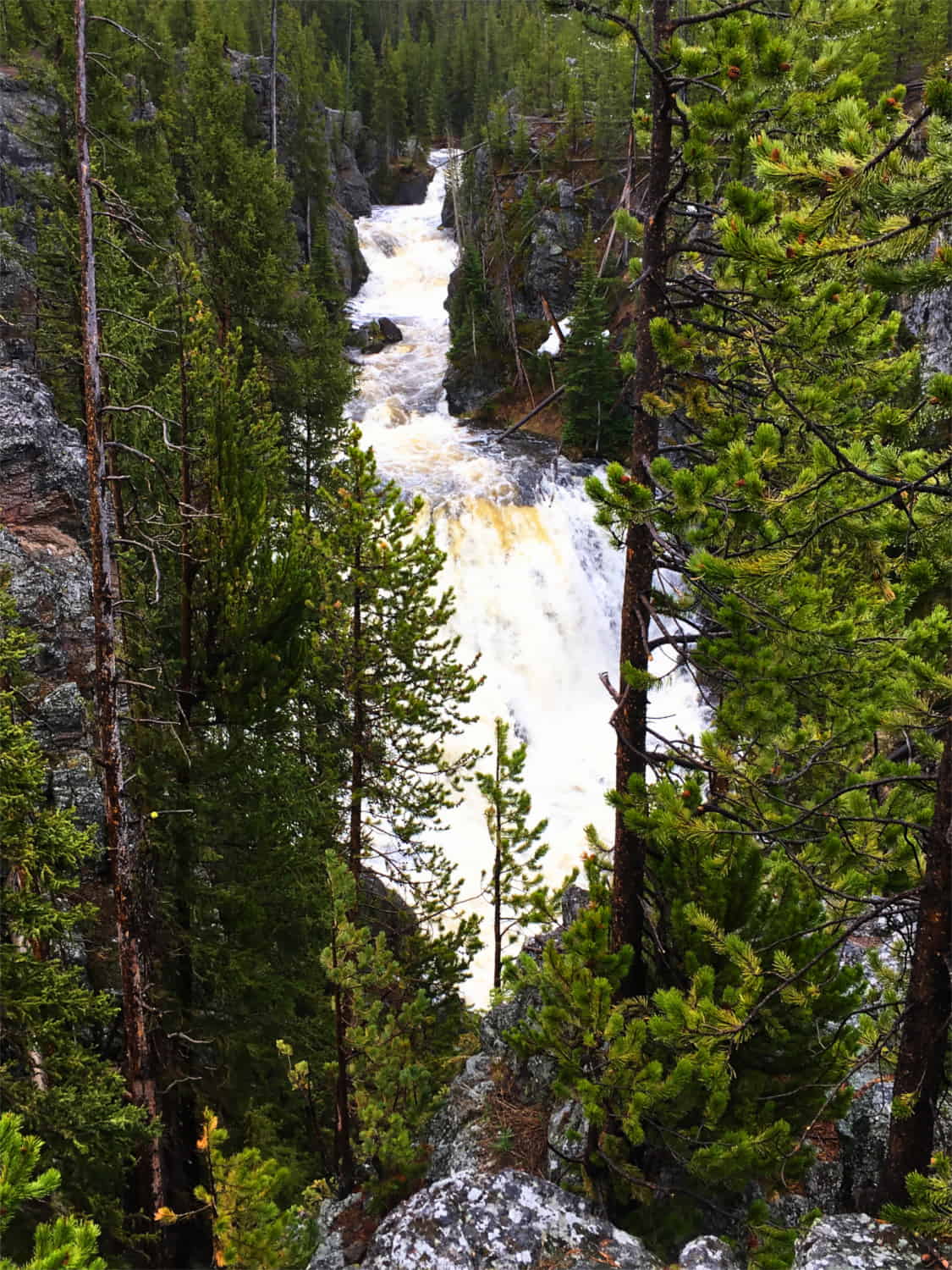
The Grand Canyon of the Yellowstone has dramatic cliffs and waterfalls galore. The nearby peaks offer hiking and exploration. Camping out at the valleys in search of spotting the elusive wolf is exciting for the patient traveler, which we are not. We like to try to just get lucky!
Can you describe the type of traveler who would fall in love with Yellowstone?
Yellowstone is great for families, couples, even solo travelers although I wouldn’t recommend backcountry camping or hiking empty trails on your own, as it is bear country.
Families with small children can plan their trip around the short flat trails and hydrothermal features that are easy to access. Children love camping and Yellowstone is a fantastic place to do it.
Adventurous couples will love visiting the popular attractions, but also getting off the beaten path and exploring the wild.
Anyone that loves animals and the outdoors will love Yellowstone.
Yellowstone is massive, so it's hard to see everything in one trip. Which features or areas should visitors add to their list?
Old Faithful is a must as it is the most iconic geyser, but there are so many other geysers to see too. Go to the Old Faithful parking, check the visitor center for when Old Faithful is about to erupt, and plan your time in the Upper Geyser Basin around it. You will find hot spring pools and lesser known geysers galore in this basin area. Worth spending half a day here.
If you are in search of animals, the best spots are in the valleys, Lamar Valley and Hayden Valley. My personal favorite is the Lamar Valley. It is huge. Best times to see animals are at dawn and dusk. The Lamar Valley has a trail that goes through it, the Lamar River Trail, which is nice to walk. Otherwise, park your car at a pull out, bring your binoculars, and look for movement.
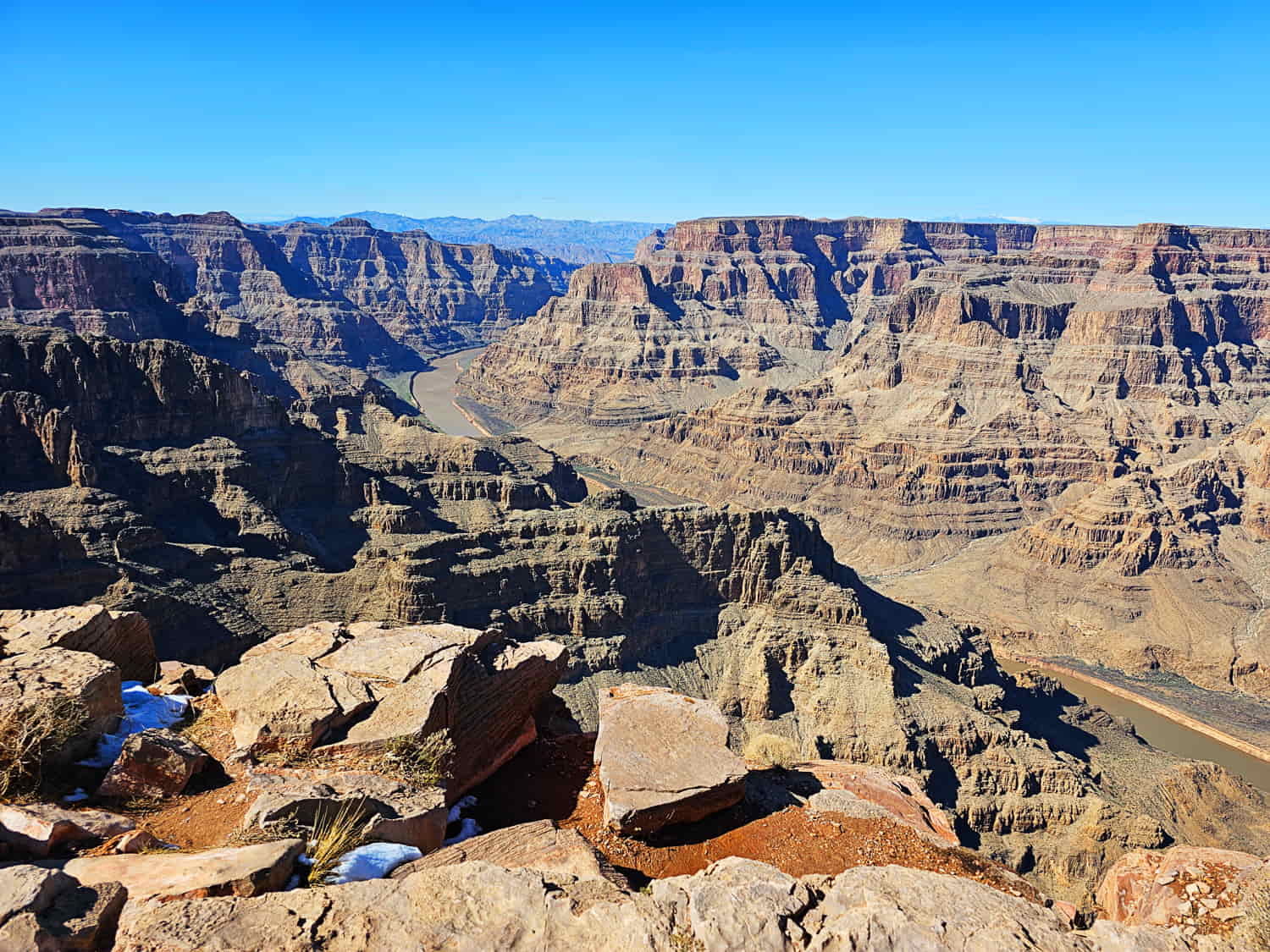
The Grand Canyon of the Yellowstone is a large canyon in Yellowstone, but if you are picturing a Grand Canyon like the one in Arizona, you will be disappointed. This canyon was carved by the Yellowstone River, and is easy to visit. You can drive to the many viewpoints that line its edges and take in the powerful waterfalls and steep canyon cliffs. This is a great area for those that don’t want to do a lot of hiking, but want to still see some beautiful areas.
How did the level of comfort impact your overall experience at Yellowstone?
Yellowstone is divided up into mini towns. In each “town” you will find restrooms, food options, gas stations, convenience stores for snacks or other necessities, and many have lodges or camping options too. Many of the trailheads also have toilets, but some are rustic. These little areas are spread out, so try to use a bathroom before moving on.
Food options in Yellowstone are mostly basic and cafeteria style, but you can find somewhere to eat in most of the “towns.” There are a couple of nice restaurants in the park, but not many. For better restaurants, the nearby towns of Gardiner and West Yellowstone have more options. I would recommend packing snacks and water while exploring Yellowstone as you will spend a lot of your time in the car or on trails.
There are options for guided tours in Yellowstone, but I haven’t done any. If you are visiting in the winter, taking a Snowcoach tour or snowmobile tour is a fun way to see the park as it is hard to access much of Yellowstone on your own that time of year.
Can you walk us through what it was like navigating Yellowstone and are there any physically demanding areas?
Navigating Yellowstone is actually fairly easy. Trail signs are good. The road system is set up nicely, so that you can drive up to many of the popular attractions without hiking a long distance to see something cool.
Many of the features don’t require a lot of uphill either, so it makes it easy for lots of travelers. Once you enter the park, there’s no extra charge for parking. Sometimes it can be difficult to find a parking space at the most popular attractions like Grand Prismatic.
Couple of things to note that are particular to Yellowstone:
- – Not all roads are open year round. The northern road that goes from Gardiner to Cooke City is open all year. You can get to the Lamar Valley and Mammoth Hot Springs anytime. The other roads are only open at certain times of the year and it depends on which road.
It is best to check the Yellowstone website for up-to-date road conditions. https://www.nps.gov/yell/planyourvisit/parkroads.htm
- – You really need to have a car to visit Yellowstone. There aren’t buses and other public transportation systems. There are tours you can take that will drive you around the park, but you will still need to get to West Yellowstone or Gardiner by car first.
- – Yellowstone has bears, black and grizzly. You will want to get some bear spray, especially if you plan on hiking. It is less likely that you will run into bears on the popular trails, but it is still a good idea to carry some. Also – don’t put the bear spray in your pack, have it accessible. Bears don’t slow down for you to search your pack for the spray.
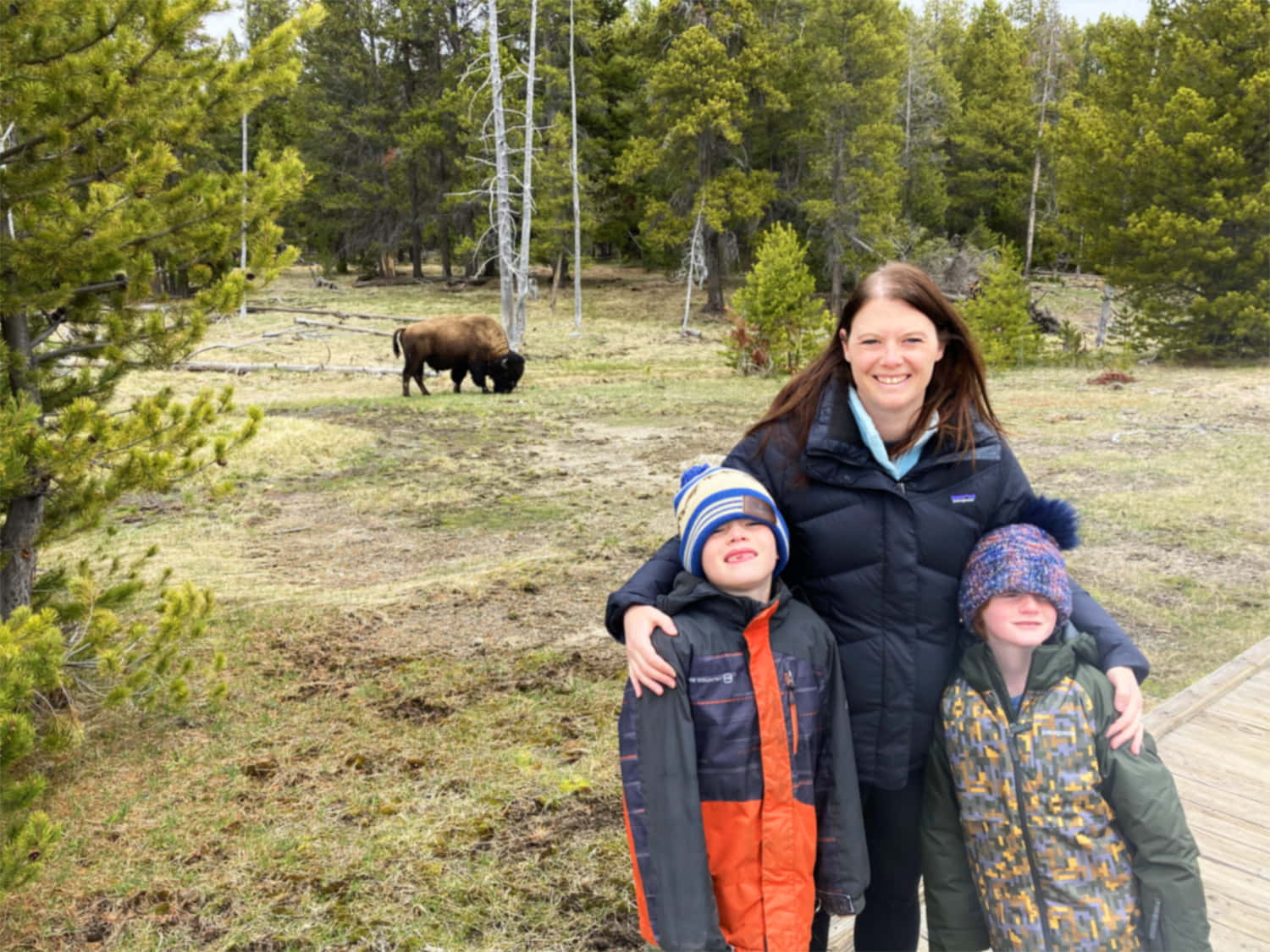
- – Don’t approach any animals. There are so many reports or tourists trying to take selfies and then get run over by a bison. The animals are all wild and you should maintain your distance.
- – Stay on the trails. In the geyser basin areas especially, the trails and boardwalks are there for your protection. The hot springs and the ground can be unstable, so you don’t want to go on your own and find yourself in a heap of trouble.
Has timing or seasonality impacted any of your visits to Yellowstone—and how did things play out?
Yellowstone is different in each season.
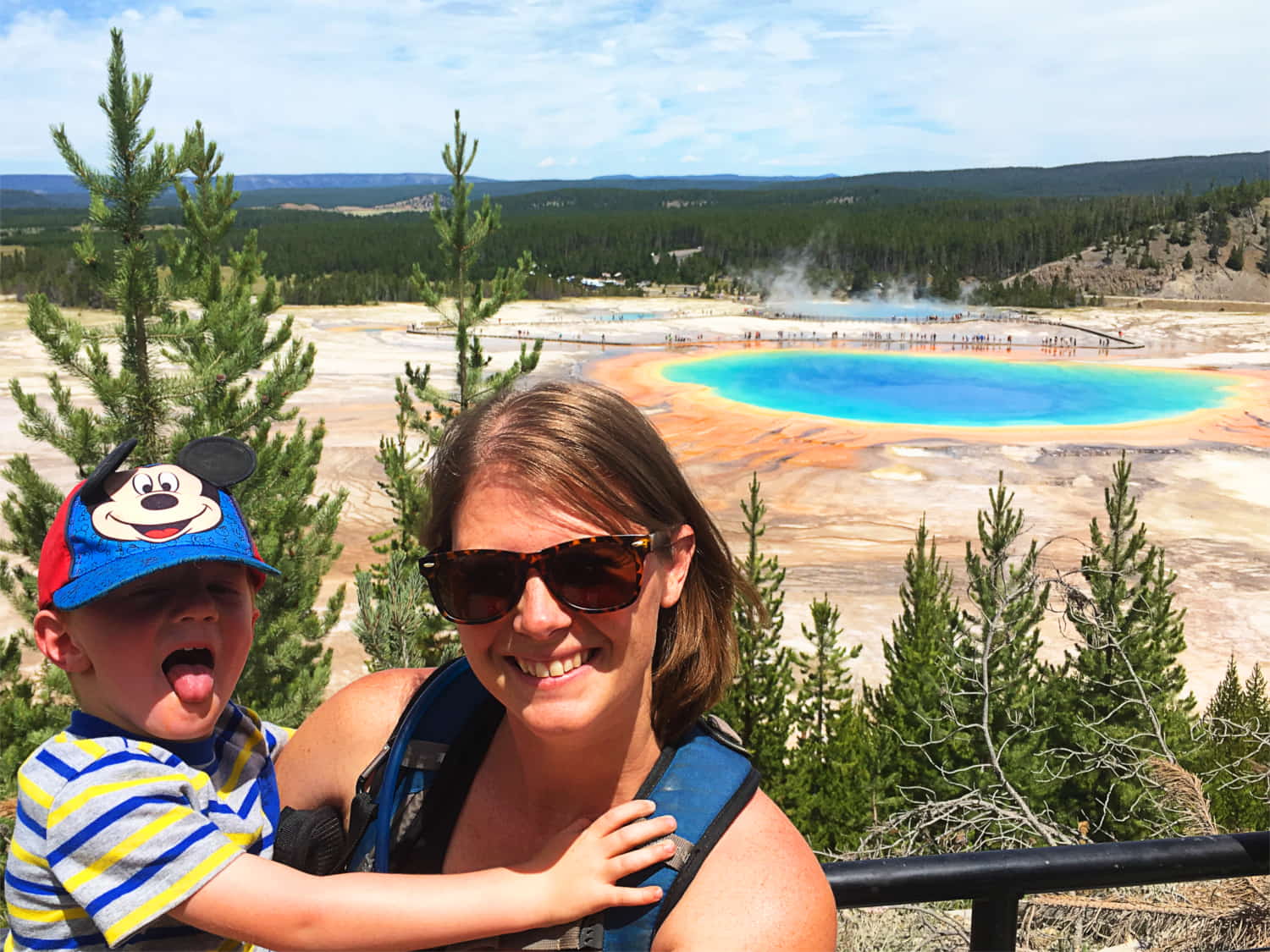
Summer is the busiest time, but everything is also open too. In the summer you will want to plan around the crowds a little more. Go to Grand Prismatic late in the afternoon before sunset. It will be warmer, so more visible and parking will be easier to find. You will also need to make reservations for campsites and lodging well in advance for summer travel.
Fall is a nice time to go. There are less visitors. The weather is usually still nice. You can access the trails without dealing with mud like the spring. If you go before October, roads will still be open. After October 1st is when the restrictions start happening.
Spring weather in the west is very unpredictable. While it is my least favorite season to visit Yellowstone, you can see baby animals this time of year, so that is really cool. Just be prepared for crazy weather. It could be warm or it could be snowy.
Winter is an interesting season to visit. Much of Yellowstone is closed down and covered in a blanket of snow. There is more planning because to access certain areas, you will need to either take a tour, stay in a lodge in the park, or only visit the north. The winter brings a stillness that is unmatched. Bison are covered in snow. The bears are hibernating. Wolves are active and a little easier to spot with the contrast of their coats against the white snow. If you like cross country skiing, there are a plethora of trails to explore. If you don’t like crowds, winter is the a quiet time in Yellowstone.
Have you encountered any unexpected costs on your trips to Yellowstone?
Yellowstone’s entrance fee is a bit steep if you NOT a U.S. resident. Standard entrance fees are 35 dollars per vehicle for a week pass for U.S. citizens and residents, so that’s not so bad. However, if you are non-resident, you will have to pay an additional $100 per person unless you have an America the Beautiful Pass.
If you are visiting from outside the U.S. it doesn’t make sense to buy the standard entrance fee. The America the Beautiful Pass covers all U.S. National Parks and Federal Recreation Areas and is only 250 dollars for non-residents per car. It’s 80 dollars for US citizens and residents.
For citizens and residents, there are also some discounts that you could qualify for. If you are a senior, are in the military, have a disability or have a 4th grader, you could get free or discounted entry.
Camping prices in Yellowstone are reasonably priced, but lodges and hotels in the nearby towns can be very pricey for what you get.
Before we close, what's something first time Yellowstone visitors should consider before their trip?
Best time to visit in my opinion is September. There’s good weather, less crowds and everything is open.
I would recommend at least 4 days in Yellowstone if not more. It all depends on what you want to see and do.


Have you visited this city?
Log in to add an extended review and see personalized scoring.