Mirleft, Morocco
Expat Life & Living Abroad
I spent the good part of a decade taking solo backpacking trips throughout Europe and South-East Asia. And whilst my predilection towards budget travel and living with the bare minimum still remains, the thought of bouncing between a dozen hostels in a month exhausts me now.
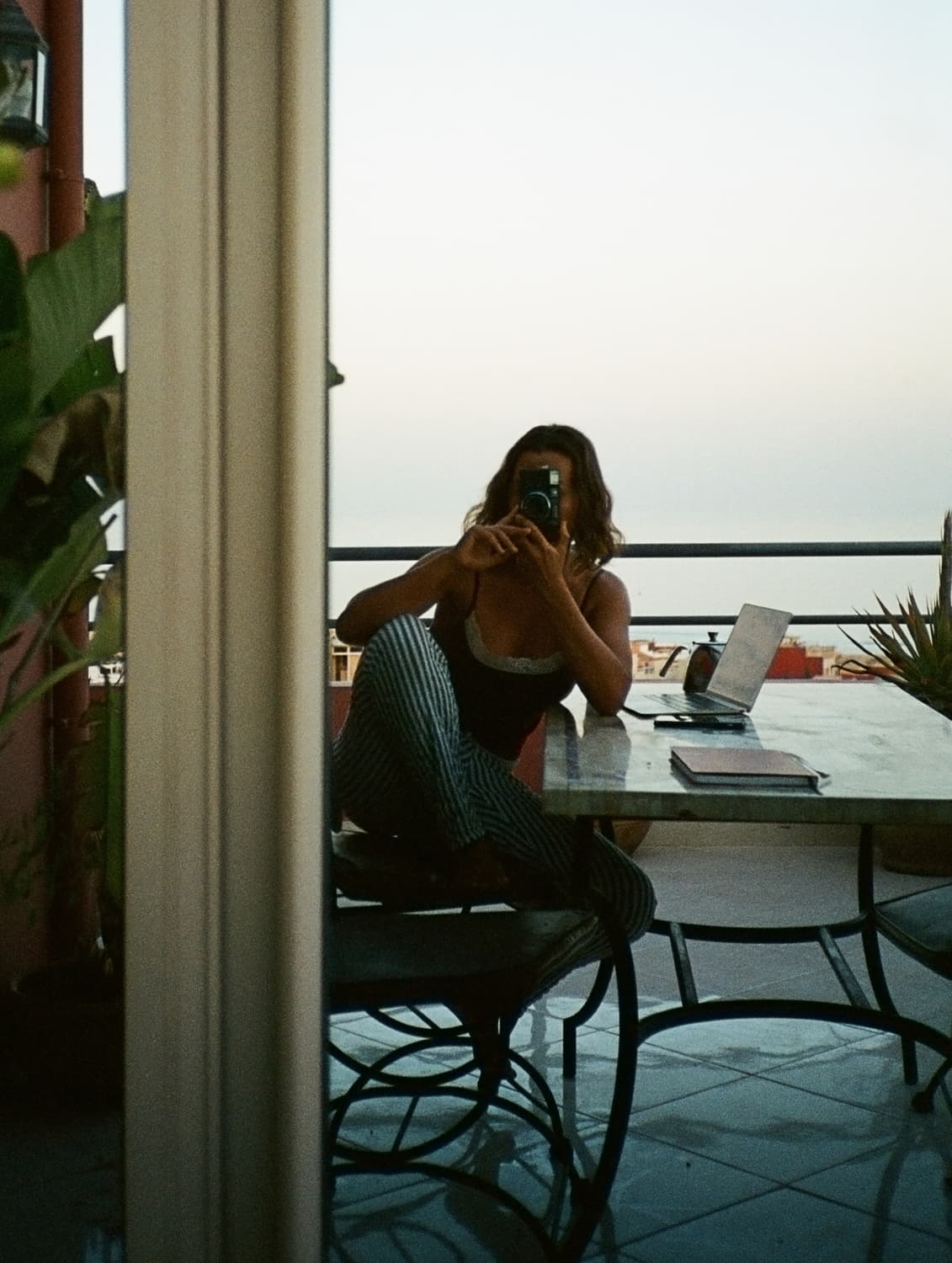
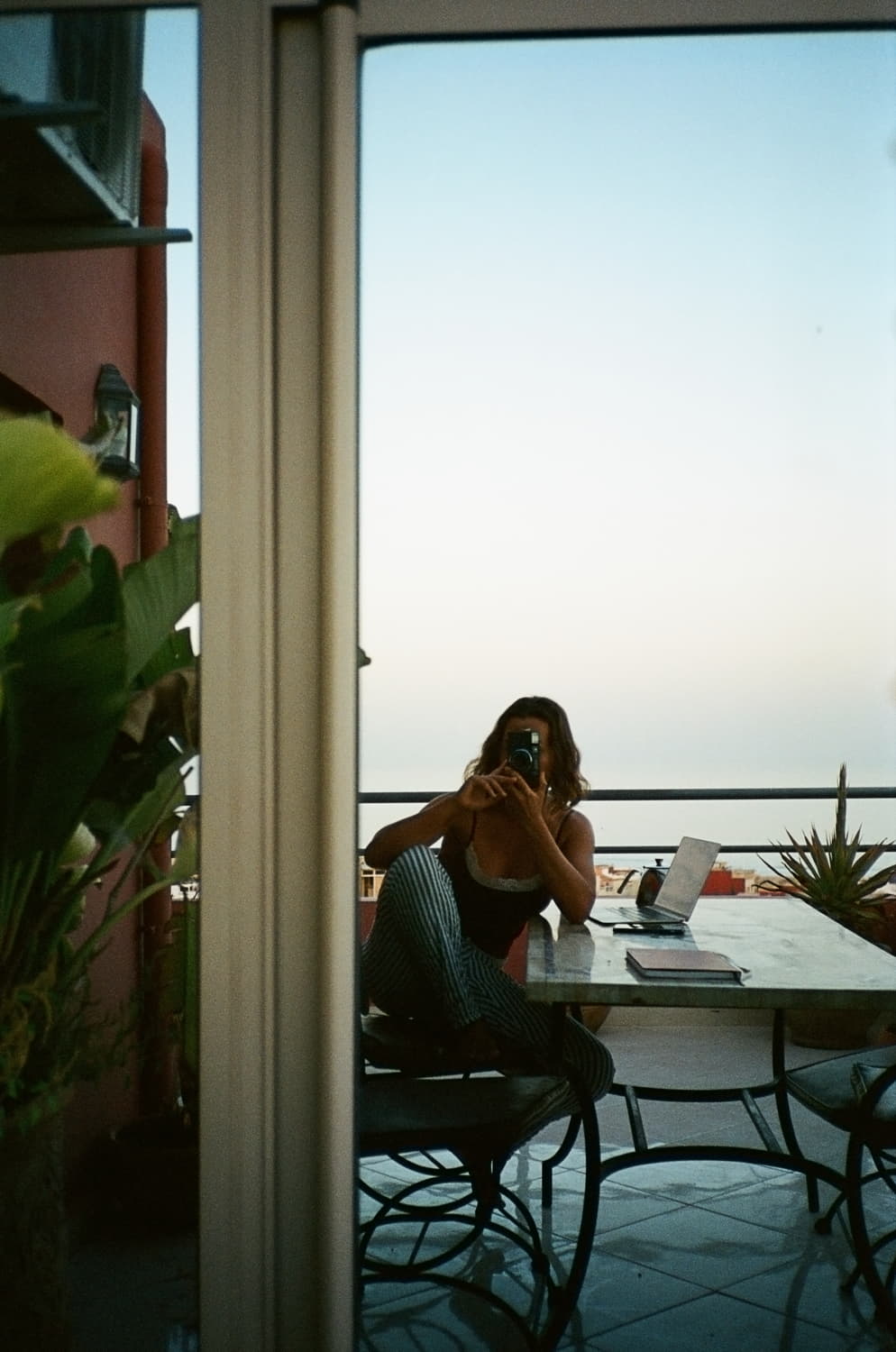
These days, I prefer to find a small coastal town to park up in for a couple of months, falling into the local rhythm and becoming a familiar face within the community. As long as there are small, uncrowded waves; cheap, local restaurants; and a currency that allows me to tip generously, then I’m happy.
You spent two months living in Mirleft. What drew you to this rugged region?
I’d been living in Tamraght, a laidback surf town a few hours further up the coast. And whilst I loved it there – the unhurried pace of life, the warmth of the locals, and the proximity to the beach – I found the rapid increase in commercialisation a little disconcerting. New foreign-owned surf camps and specialty coffee stores were popping up every week, the surf breaks were becoming a circus, and the local residents were being priced out of the rental market.
I had heard good things from friends who had visited Mirleft, namely that it was ‘so much quieter.’ And that was enough to pique my interest. Making new connections with fellow travellers is one of the greatest joys of travel; however, flying across the world to then ensconce myself in a tourist bubble with others who are more or less just like me, kinda feels like it defeats the point.
Mirleft was the perfect antidote. There are just enough shops and restaurants to keep it exciting, whilst still functioning primarily as a regular Moroccan village (with a splash of tourism on the side). Plus, the surf breaks were far less crowded.
Mirleft flies under the radar compared to other coastal towns. Who is it perfect for?
There are travellers who need a heavy dose of social interaction to fill their cup, and those who don’t. Mirleft is best suited to the latter. Whilst there are a number of surf camps and hostels around, the village attracts only a fraction of the tourists that the popular surf towns like Taghazout and Imsouane do. As you walk through the wide, open streets, it can feel a little ghost town-ish at times. And, I know for some young tourists, that can be a little jarring.
But for others, like myself, that’s the best part. As other coastal towns grow in popularity and surf tourism takes centre stage, I notice that the local culture gradually erodes in favour of western comforts. I like that as a foreigner in Mirleft, I remain the oddity, and it is up to me to conform to the local customs and ways of living. Not the other way around.
The pace is slow and relaxed, making it an ideal spot for families. I met a few parents with young kids who regularly visit Mirleft each year for a few weeks or so. It’s safe, cheap and small enough to walk everywhere. In a world that is fuelled by distraction, I think a holiday centred around family connection, discovering new cultures and prioritising each sunset is exactly what all kids need.
Mirleft seems like an authentic Moroccan town rather than a tourist hub. What experiences stand out most?
I feel like I need to forewarn people that unless you’re into surfing, there isn’t a whole lot to do in Mirleft. There are no bucket-list attractions, the shopping and dining scene is limited to one humble main street, and there is almost zero nightlife.
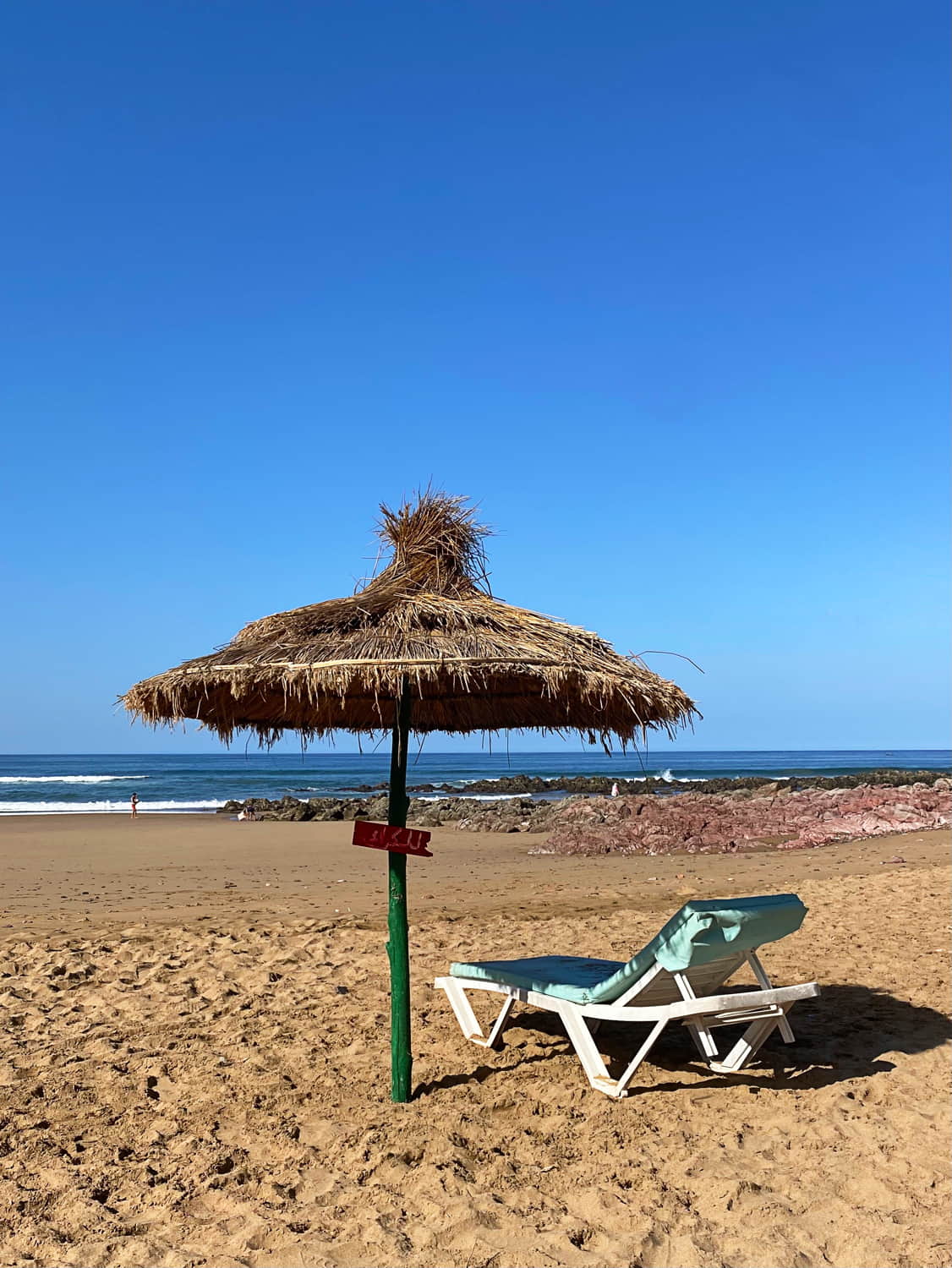
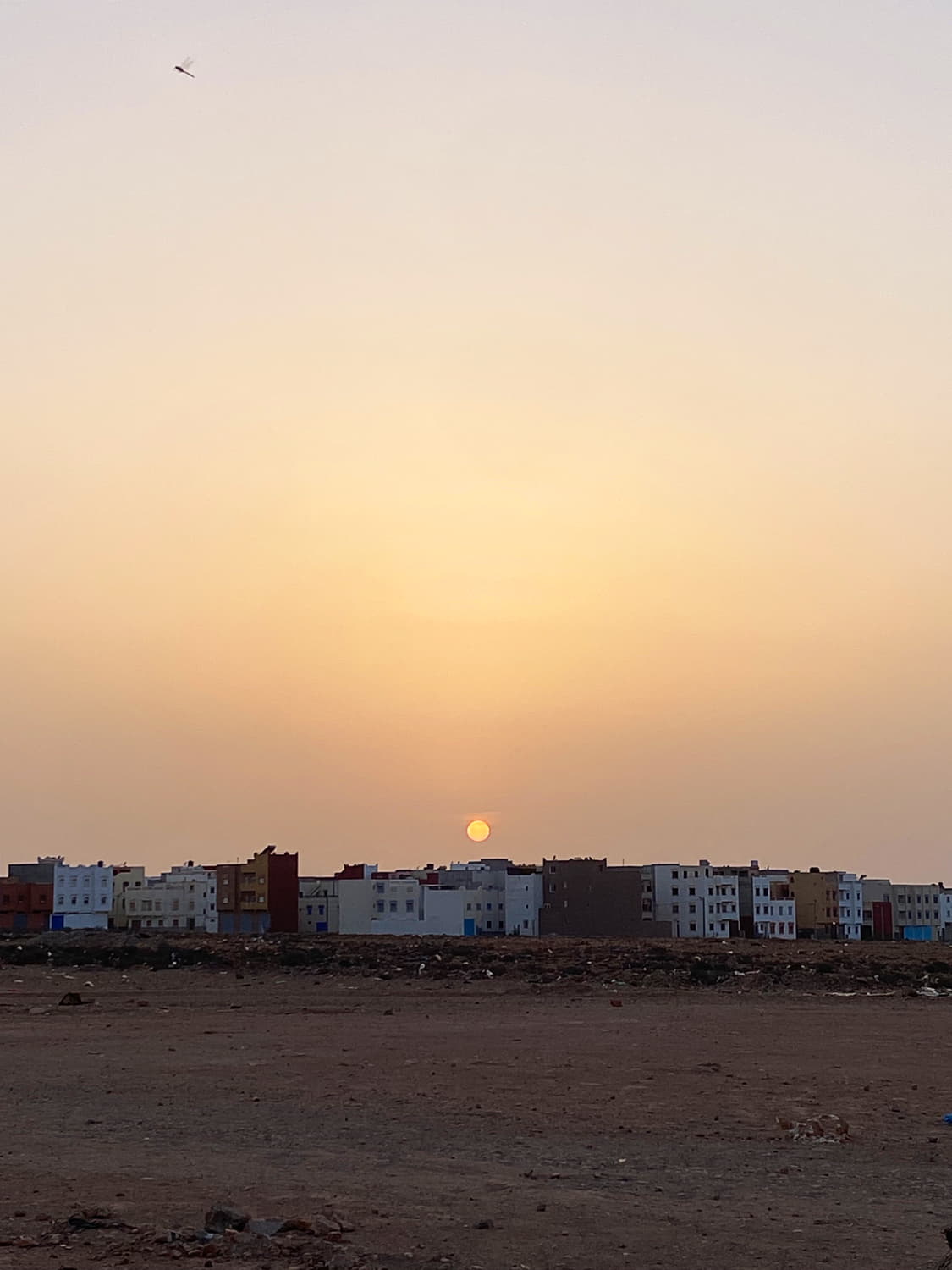
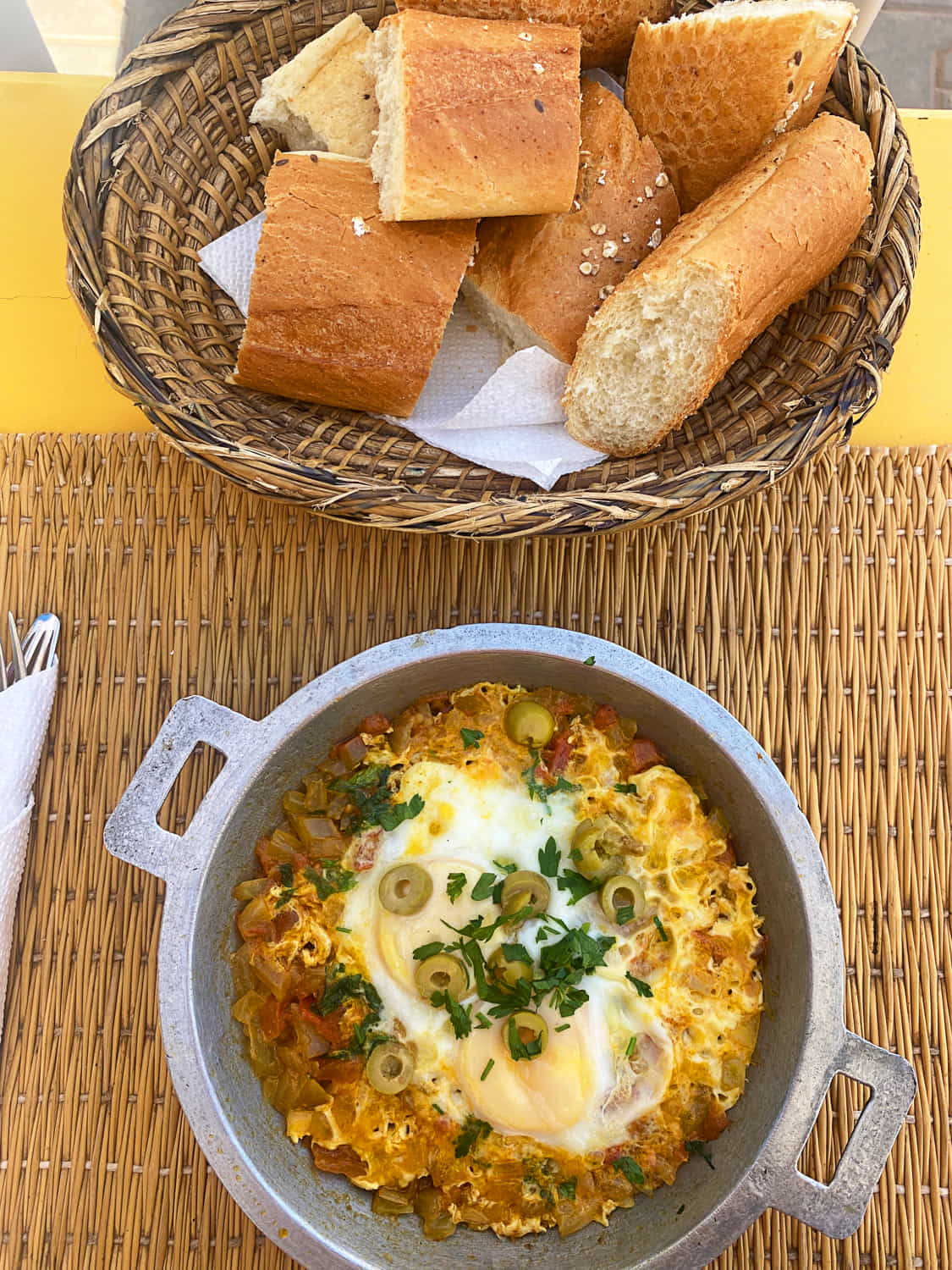
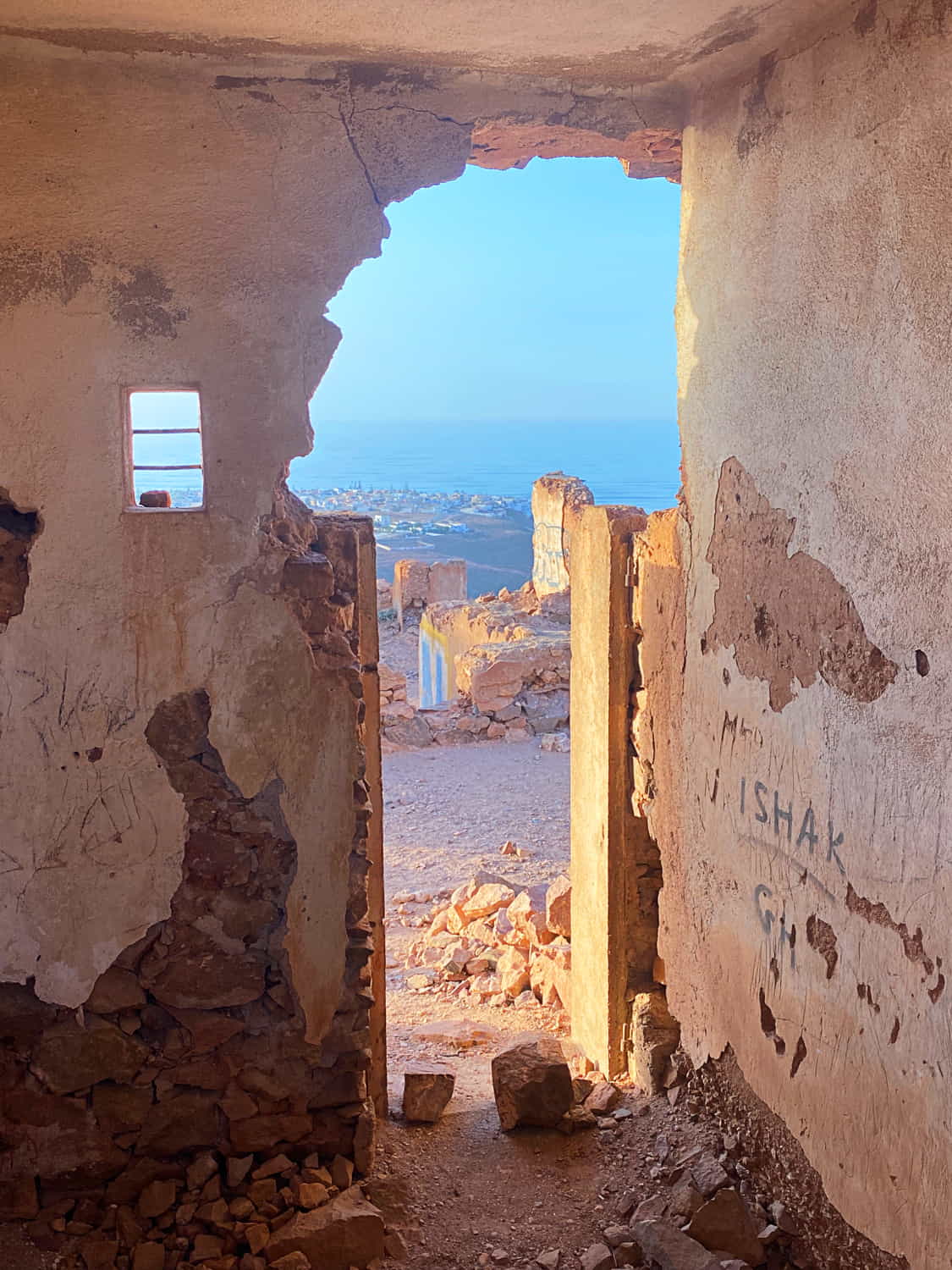
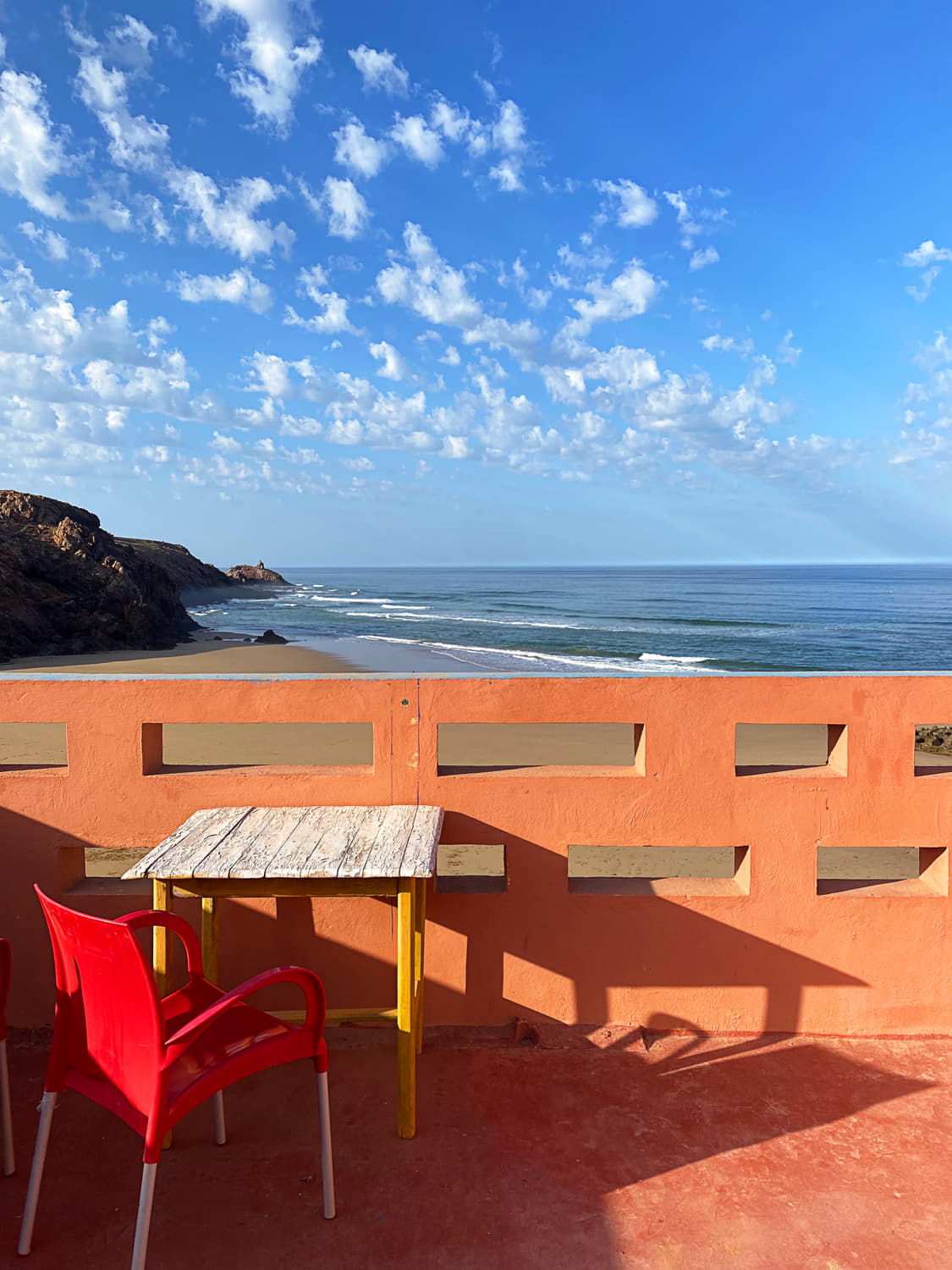
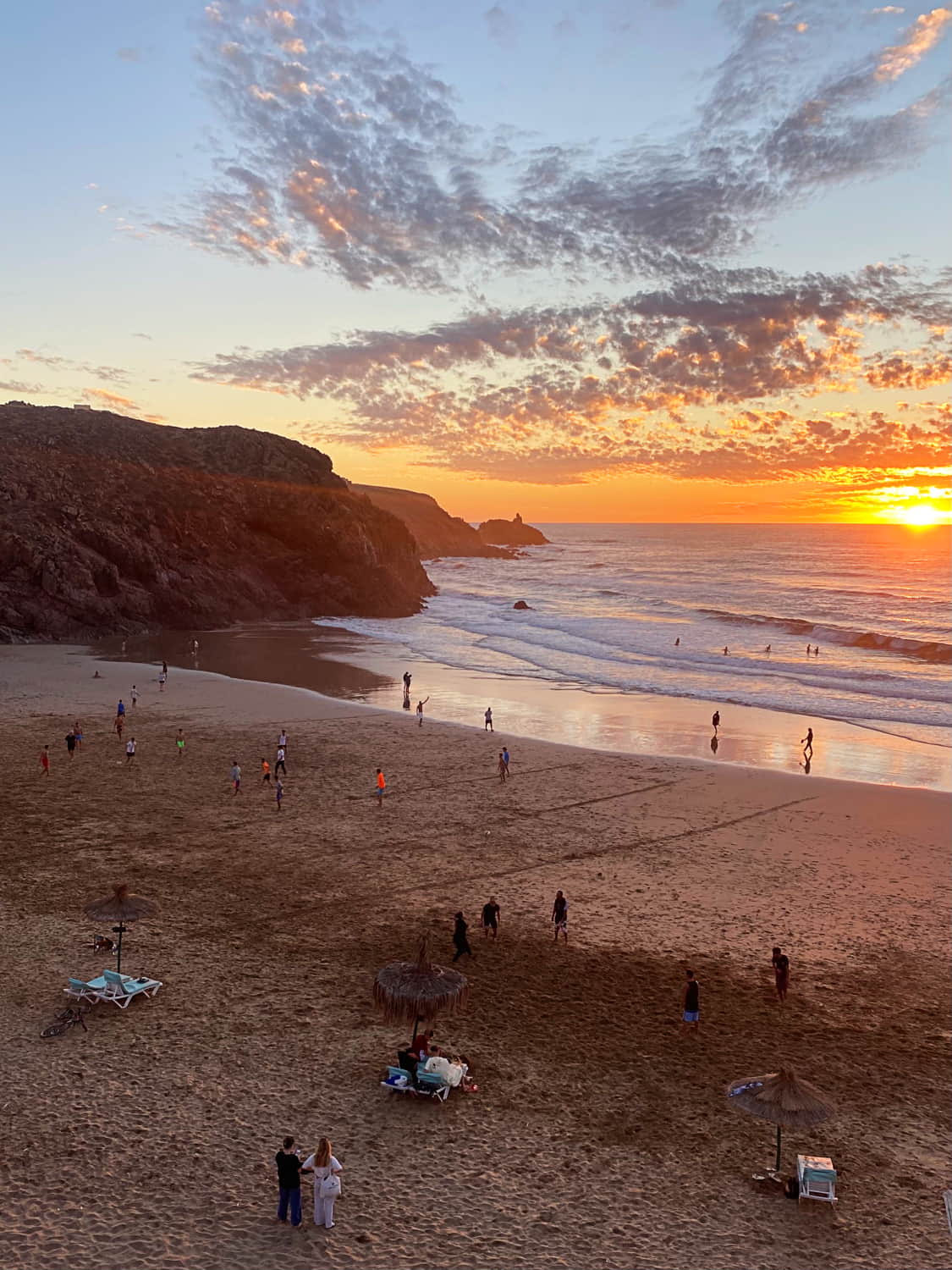
But I think slowing down and relishing in your time outside of the rat race is an experience itself. The ideal day in Mirleft would begin with a walk along the rugged coastal cliffs. Followed by a long, lazy breakfast at Tifawin Cafe, then a trip to the local market (Mondays only) to stock up on fresh fruit and veg, nuts and spices. The afternoon would be spent whiling away the hours at Aftas Beach, interspersed with pots of mint tea at one of the beachfront restaurants. And then finishing the evening with a hike up the hill to the old fortress to watch the sunset, and then sharing a tagine in town with a friend or two.
If the conditions are right and the swell’s not too big, I would sub in a surf somewhere along the deserted coastline.
Living there for months gives you a local's perspective. What is the food scene really like?
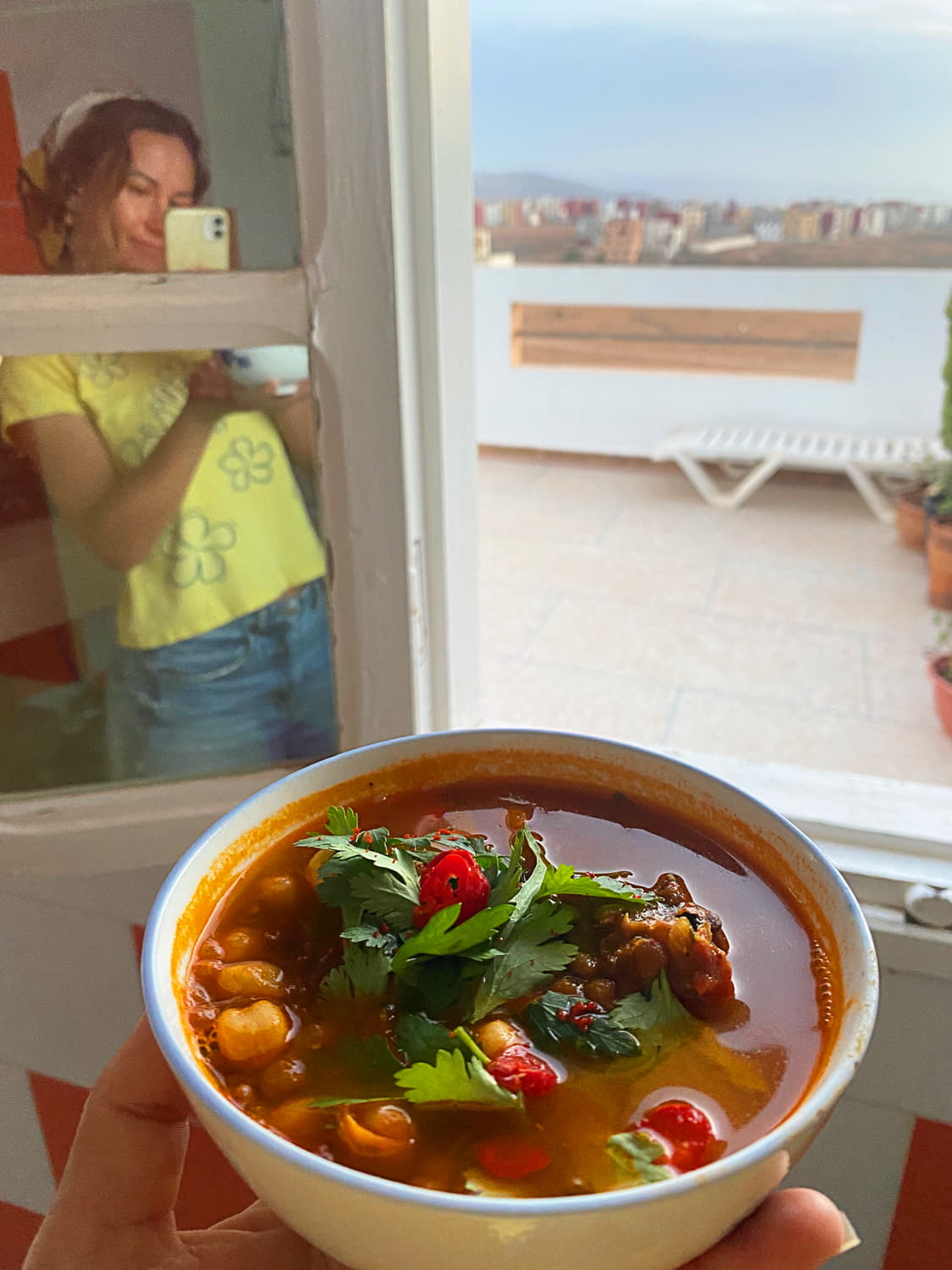
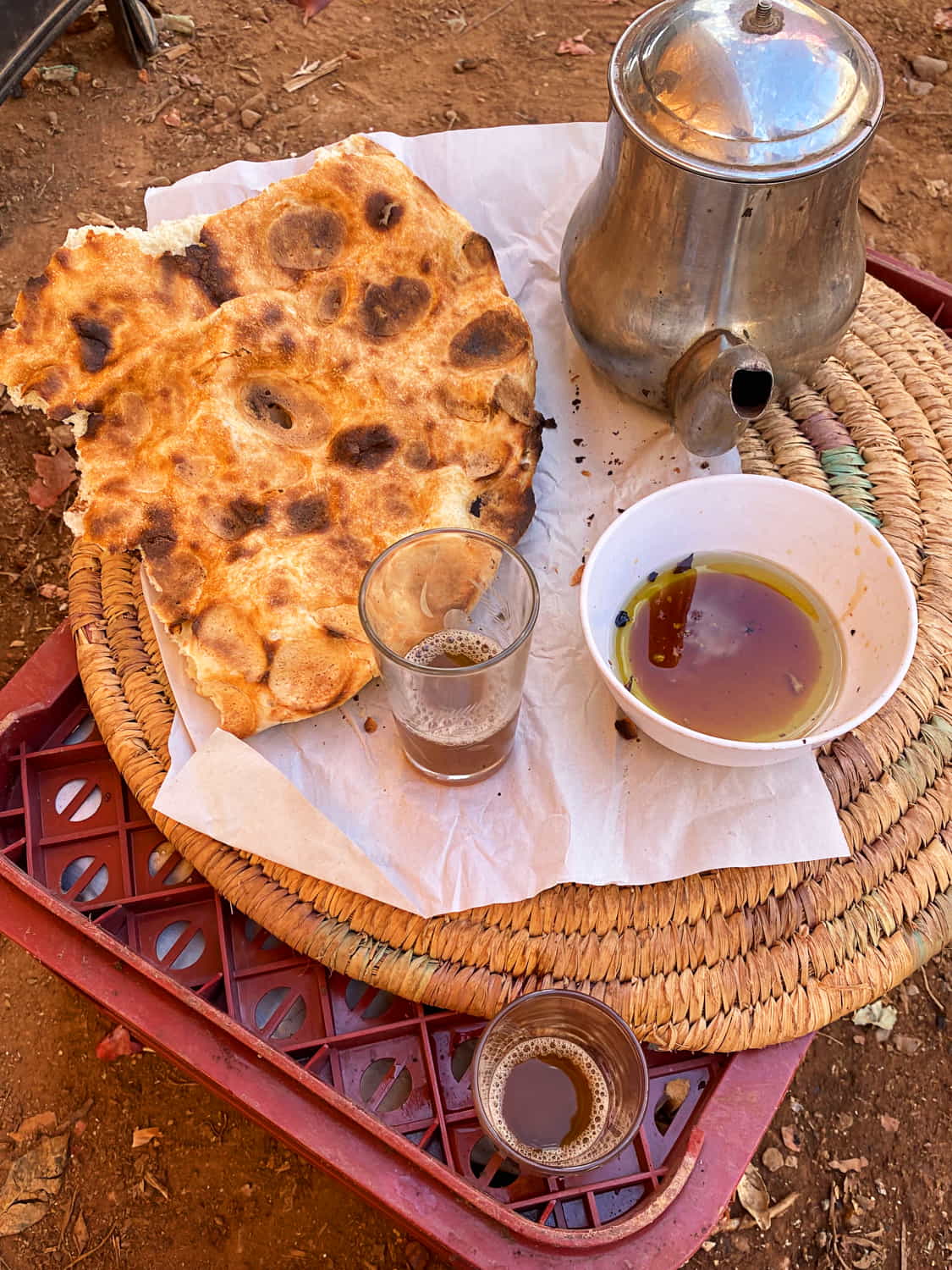
Unlike some of the more touristy areas, Mirleft still has loads of great cheap, authentic local restaurants. They’re small, no-frills, and serve some of the best Moroccan cuisine you’ll find. Most of these don’t have identifiable names, so look out for the hole-in-the-wall venues with someone grilling msemen out the front. For a filling €2 dinner, grab a bowl of Harira soup and a spiced vege msemen.
If you want a proper Moroccan feast, hit up Momo Delicias. It’s best to order in advance as they’re a little slow moving, but they make the best tagines and couscous in town. The lamb and prune tagine is particularly good.
You mentioned it is a very quiet destination. How does the village's atmosphere shift after dark?
Moroccans are night owls by nature, yet there isn’t much activity on offer for tourists after dark. Locals flock to Aftas Beach to watch the sunset, and they’ll happily invite you to join in a game of soccer. After that, your best bet is the rooftop of your hostel, surf house or surf camp. If you’ve got a few people around, play a bit of music, drink some mint tea and chew the fat.
You settled in an extended stay. How did you find navigating Merlift?
I found Mirleft to be incredibly safe. The locals are friendly, there isn’t much crime that I’m aware of, and you don’t experience the kind of hassling from shopkeepers that you do in Marrakech. There’s the occasional person wandering the streets asking for change, but if you can afford international travel, I’m sure a few donated Dirhams won’t break the bank.
Berber is the native language, but French is also widely spoken. Most shopkeepers, waiters and accommodation hosts speak decent English, so you won’t have too much difficulty. However, a basic proficiency in French definitely gives you a leg up.
Rural towns in Morocco tend to be more conservative than cities, so it’s important to be mindful of a few religious customs. Alcohol is forbidden in Islamic teachings, so if you’re going to drink, ensure it’s not in public. Similarly, it’s best to show a bit of modesty with your outfit choices. You don’t need to cover up completely, but as woman, try to avoid short dresses/skirts or anything that reveals your chest and cleavage.
Merlift seems to have avoided the heavy gentrification other areas have. Where do travelers find the best value here?
Mirleft is one of the best value-for-money destinations you can find on Morocco’s coastline. It’s a super popular holiday spot for Moroccan tourists during summer. As such, there is a surplus of apartments and vacation rentals. But in winter (the ideal time to visit for foreigners), the sparse tourist-traffic keeps accommodation prices low.
You can catch the CTM bus from Agadir for 60dh (€6), and once there, you can easily get by without a car. Choose a place to stay with a kitchen, or stick to the cheap restaurants, and you can make your pocket money go a long way.
After living as a villager for two months, what does Mirleft mean to you now?
Mirleft is an opportunity to experience life in Morocco without all the noise. In both a literal and figurative sense. To escape from the inane concerns of a fast-paced society, prioritise being in the present moment, and learn from a culture so incredibly different from my own.
As surf towns in Morocco are snapped up by foreign investors (along with much of Bali, Sri Lanka, and Mexico), I can only hope that Mirleft stays relatively untouched for a good while longer. So, if you’re reading this with dollar signs in your eyes, imagining the untapped potential of Mirleft’s tourism industry, I urge you to please reconsider.
Daytrips
Jessie is an Australian travel writer who spends part of the year hiding out in a little surf village on Morocco’s coast. She writes unapologetically biased travel guides on her blog, Daytrips. Think of it as part surf diary, part existential musing, and part love letter to Morocco’s coastline.


Have you visited this city?
Log in to add an extended review and see personalized scoring.