Buan, South Korea
Digital Nomad & Remote Work Travel
Trip Perspective(s)
Tell us a little about you and your travel style.
Early in 2025, I decided to become a part-time digital nomad. The shift felt natural after founding Cultured Creative. Before I ever set up my branding studio, I’d met local tour operators and hoteliers doing extraordinary work within their communities, yet struggling to keep their doors open. What they lacked wasn’t passion or product. It was branding, storytelling, and visibility. I built Cultured Creative to guide these businesses to find their voice, connect with the right travelers, and inspire more people to travel mindfully.
As a traveler, I’m drawn to the stories and culture of a region. I want to understand its people rather than just consume its sights, to find ways to give back rather than take, and to linger during the quiet seasons when the crowds are thin. In other words, I’m a deep traveler.
I wasn’t always this way. As a teenager, travel was mostly about collecting photographs, proof that I had been there, done that. Everything shifted when I began traveling solo as an adult, paired with work in tourism that exposed me to the harm the industry can sometimes cause to people and places.
My first solo trip took me to South Korea. I had spent five years learning about the country from a distance and finally felt ready to experience it in person. I wanted to see how ancient traditions could sit so comfortably beside high-tech modernity. I arrived with a few Korean phrases, memories of one too many Korean dishes I’d attempted, and a mental library of documentaries and dramas. Looking back, all that pre-trip immersion made the experience far richer.
I planned to visit four cities in six weeks, starting in Seoul and heading south to Jeju Island. The cities were exciting, but I never expected the smallest dot on the rural map to leave the biggest impression. That dot was Buan.
What made you visit Buan, and did it live up to your expectations?
Buan wasn’t part of my original plan. I had a chaotic check-in experience in Jeonju, and when the B&B manager came to apologize the next day, we ended up talking about what locals do in the area. His response was, “Do you really want to get local?” I said yes, not realizing what he had to throw my way or how fast I’d be rearranging my entire trip.
He invited me to join an eight-day cultural exchange program hosted by the government. The idea was simple: bring Koreans and foreigners together in a rural town to experience life as a local. Several days later, after a flurry of emails and bus changes, I was on my way to Buan.
The drive to the Cheonglim Youth Center set the tone. We passed fields where farmers bent over rice seedlings, mountains rising behind them, and streams trickling toward the ocean. The air smelled of the good earth.
I arrived with only one expectation: to step into a place that felt suspended somewhere between the Joseon era and modern life, with more crops than people. Like many rural areas, Buan has been losing population to bigger cities. What surprised me most was the determination of the residents who remain. They’re working to repopulate the town through new businesses, community initiatives, and creative ways to welcome visitors. Being there, I witnessed community-based tourism not as a concept but as an answer to a population crisis.
Based on your experience, what type of traveler do you think would really connect with Buan?
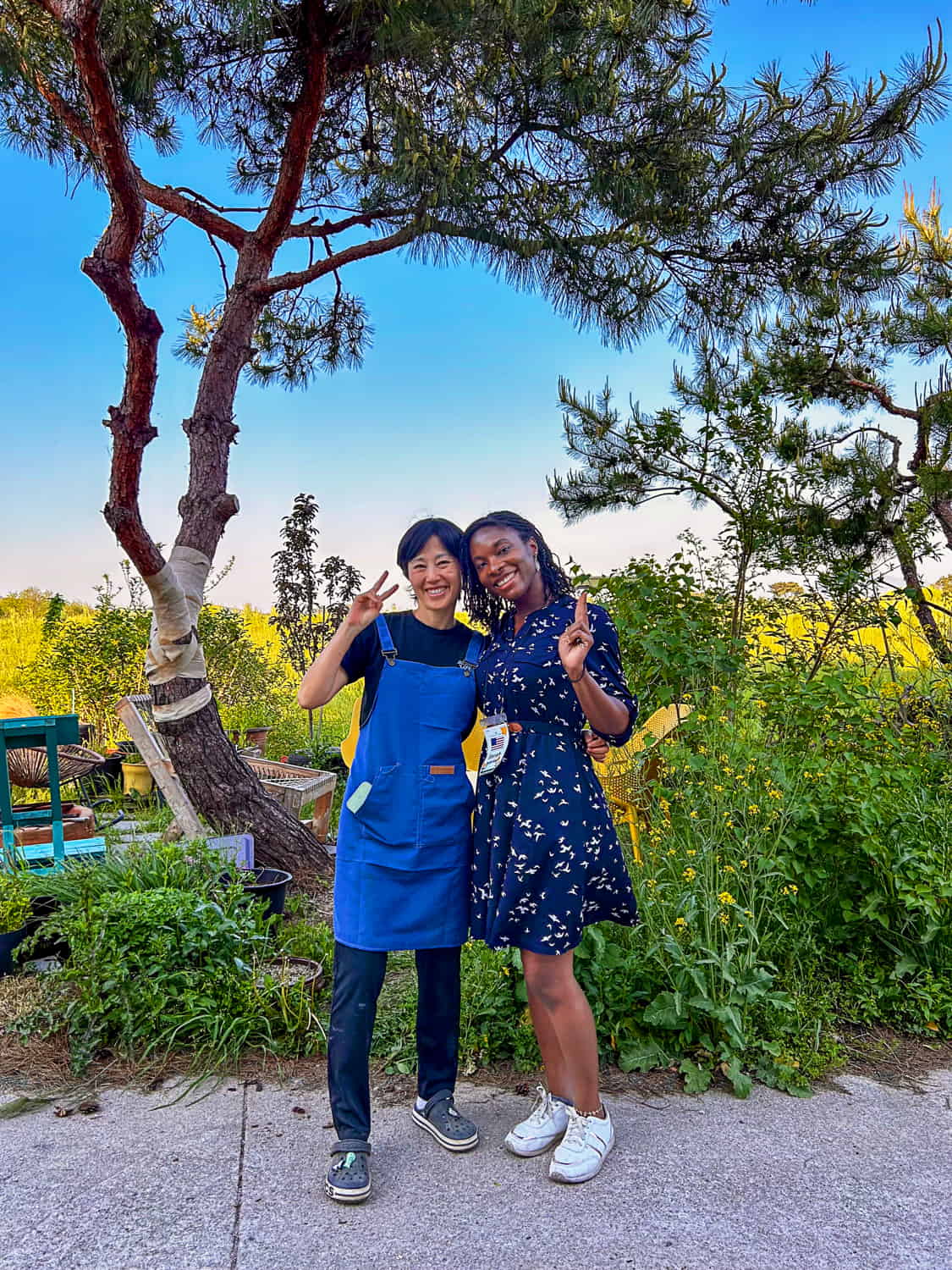
Buan invites you to slow down. During my stay, I met Yeonmi Park, also known as Heidi, who had returned from France to start her organic farm called Bongdi Ire Farm. Heidi said the countryside is a life lab. In her words, “Here, I don’t live a life that’s given to me. I build it myself. It’s not always profitable, but I get to eat well, breathe fresh air, and work with good people.”
Her words captured the type of traveler Buan is perfect for: those who force life to go at their own pace.
Solo travelers, digital nomads, families, expats seeking long-term immersion; anyone who craves nature, culture, and human connection will find something here. At the time of my visit, the government offered a free one-year residency program for expats wanting to experience rural life.
What activities or experiences in Buan stood out to you?
For a small place, Buan offers an eclectic mix of experiences.
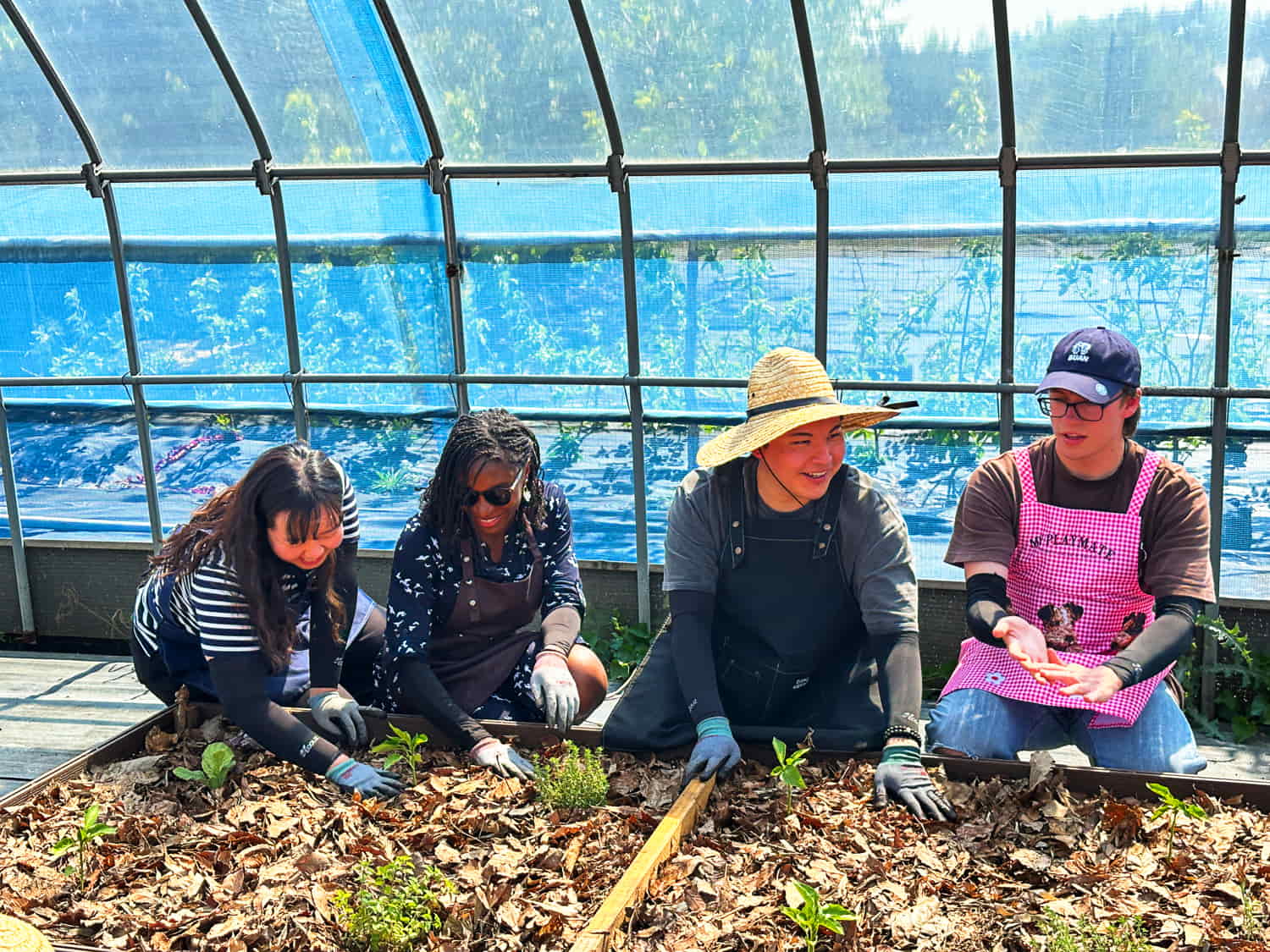
Start at Bongdi Ire Farm. Heidi not only grows and preserves mulberries, a fruit disappearing in many parts of the country, but also leads several community projects: Mulberry picking, local food processing, cooking classes, and children’s regenerative agriculture workshops. Spend a full day on the farm and you’ll enjoy fresh food, homemade mulberry wine, and conversations with locals.
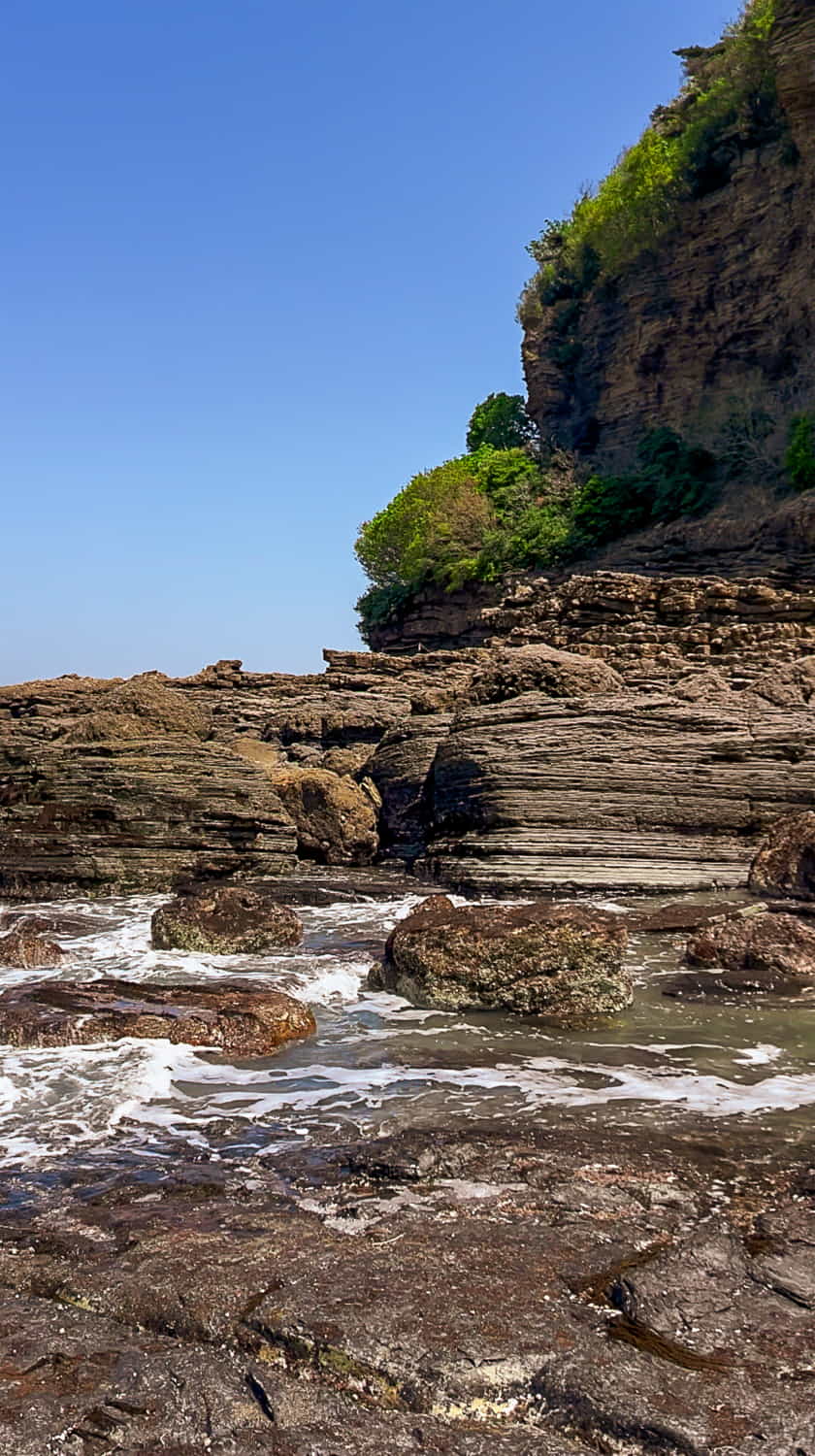
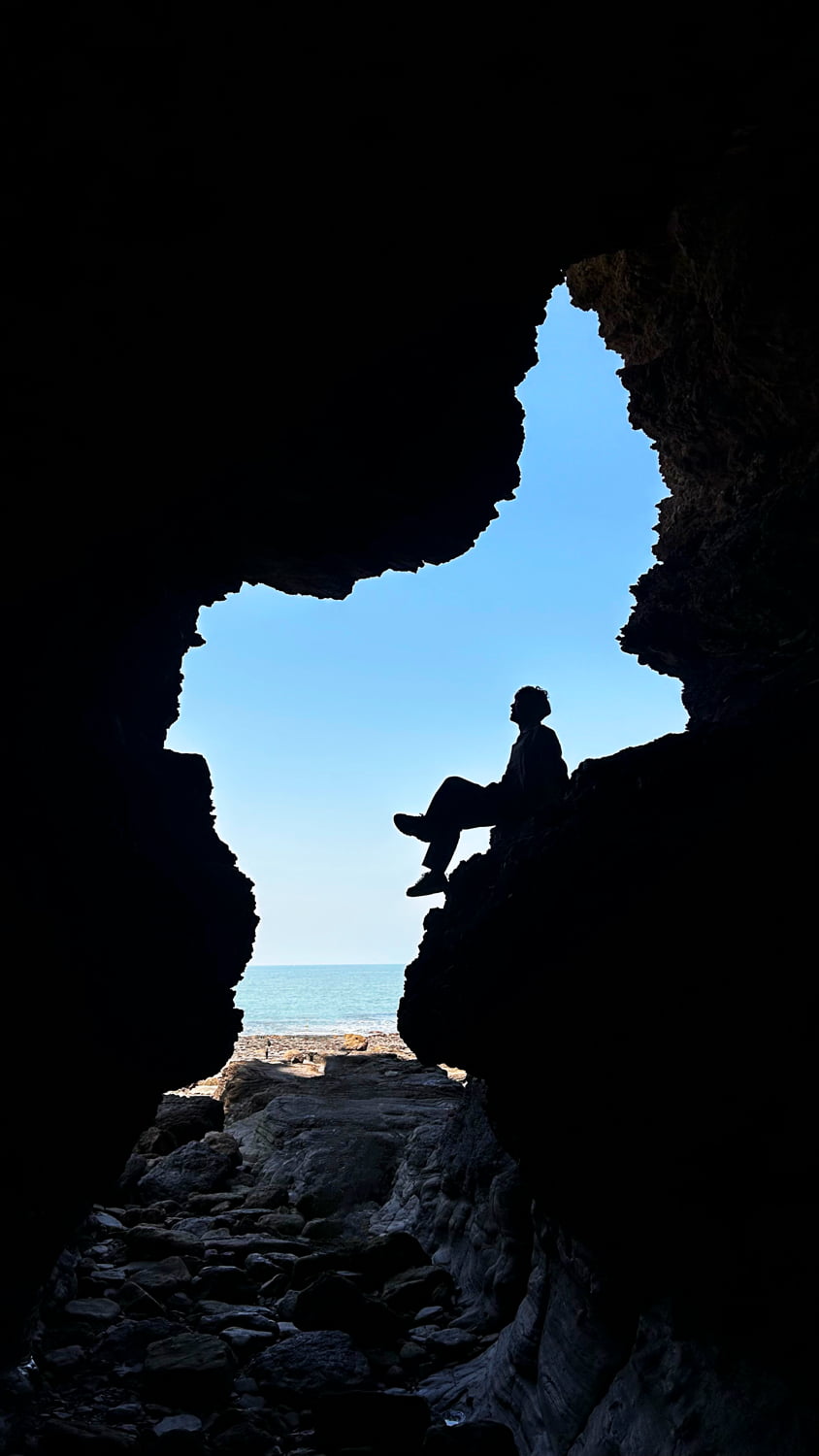
Make time for Chaeseokgang Cliff in the Jeonbuk West Coast UNESCO Global Geopark. The sedimentary rocks are stacked in book-like layers along the shore. At low tide, you can follow the coastline from Gyeokpo Beach to Gyeokpo Port, but note it’s not just a flat walk, expect a mild hike with a few short climbs and rocky sections. Pause halfway at the sea cave that looks like a rhinoceros horn and take in the view.
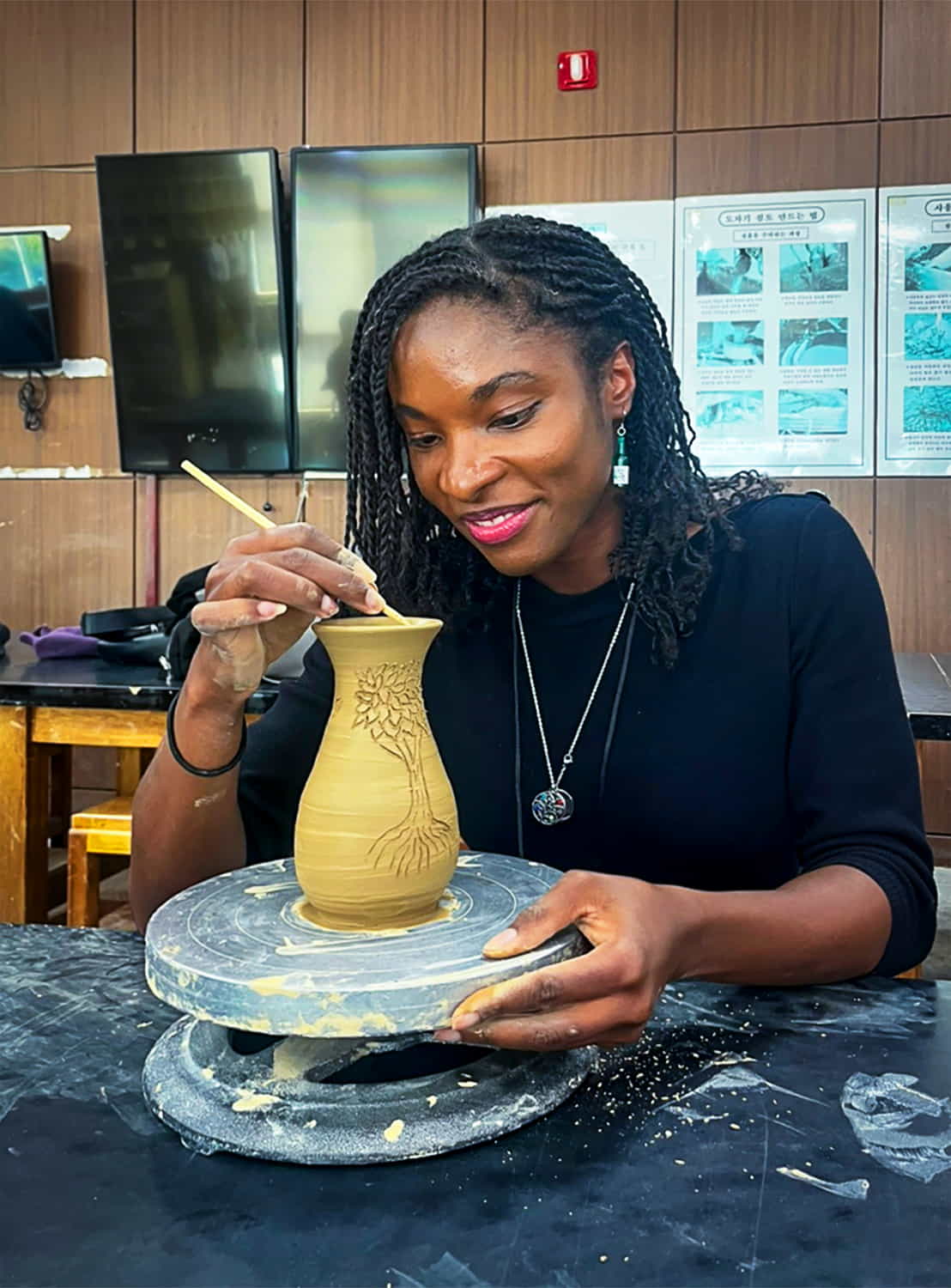
At the Buan Celadon Museum, roll up your sleeves and make pottery. Buan was the heart of Korea’s celadon tradition during the Goryeo period, known for its soft jade-green kingfisher glaze. Many pieces carried symbols of longevity and harmony tied to Buddhist and Confucian teachings.
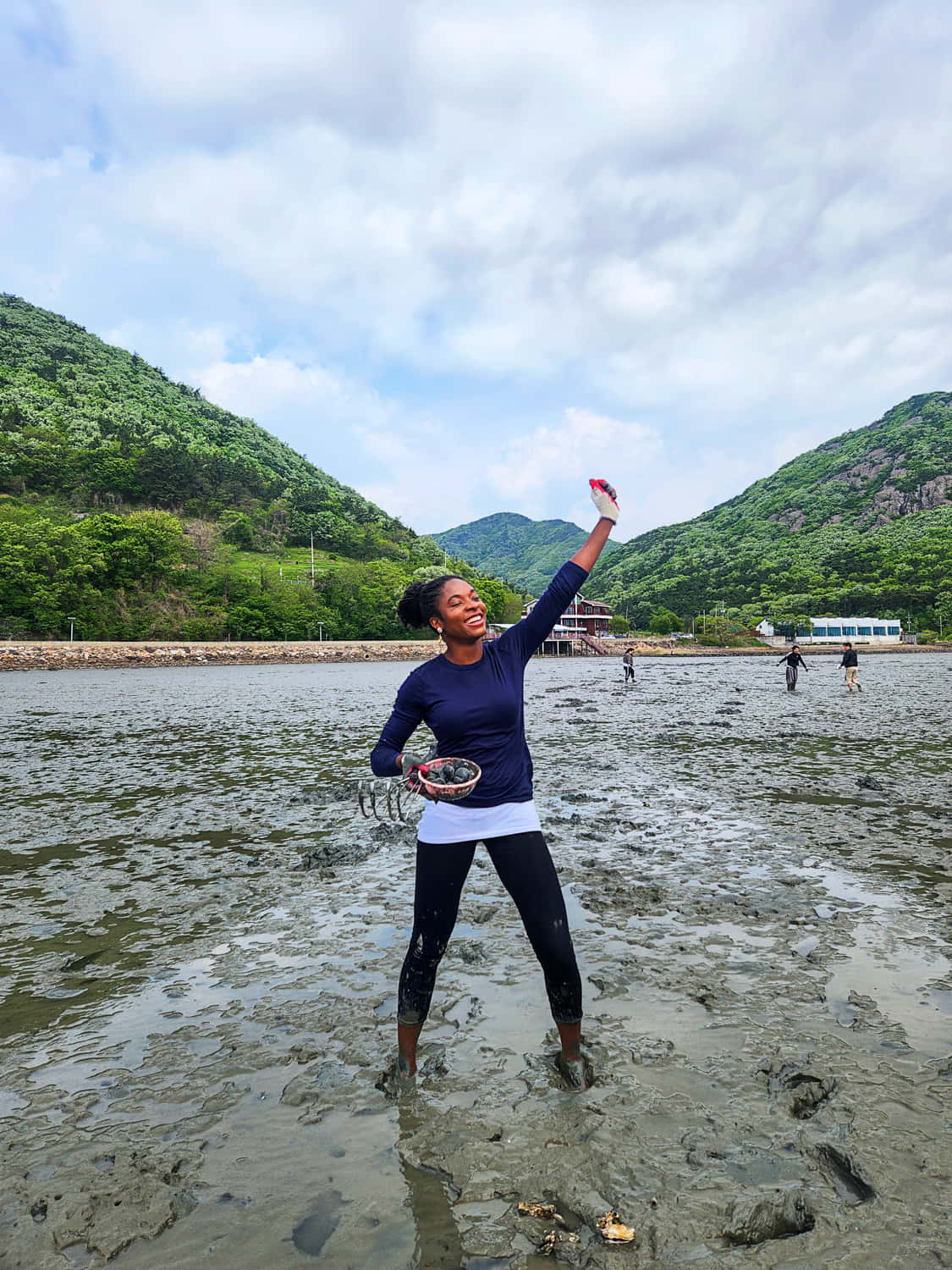
For more adventure, visit the Mohang Mudflat Experience Center. With only your bare feet, a pick, and a basket, you can farm for clams and mussels in the tidal flats. It’s messy, authentic, and grounding. Even as you slip and nose-dive in the mud, you get a sense of how farming here is about more than food. It’s a way to reconnect with the land. Your catch can be packed to take home or cooked into a local dish at a restaurant in the area.
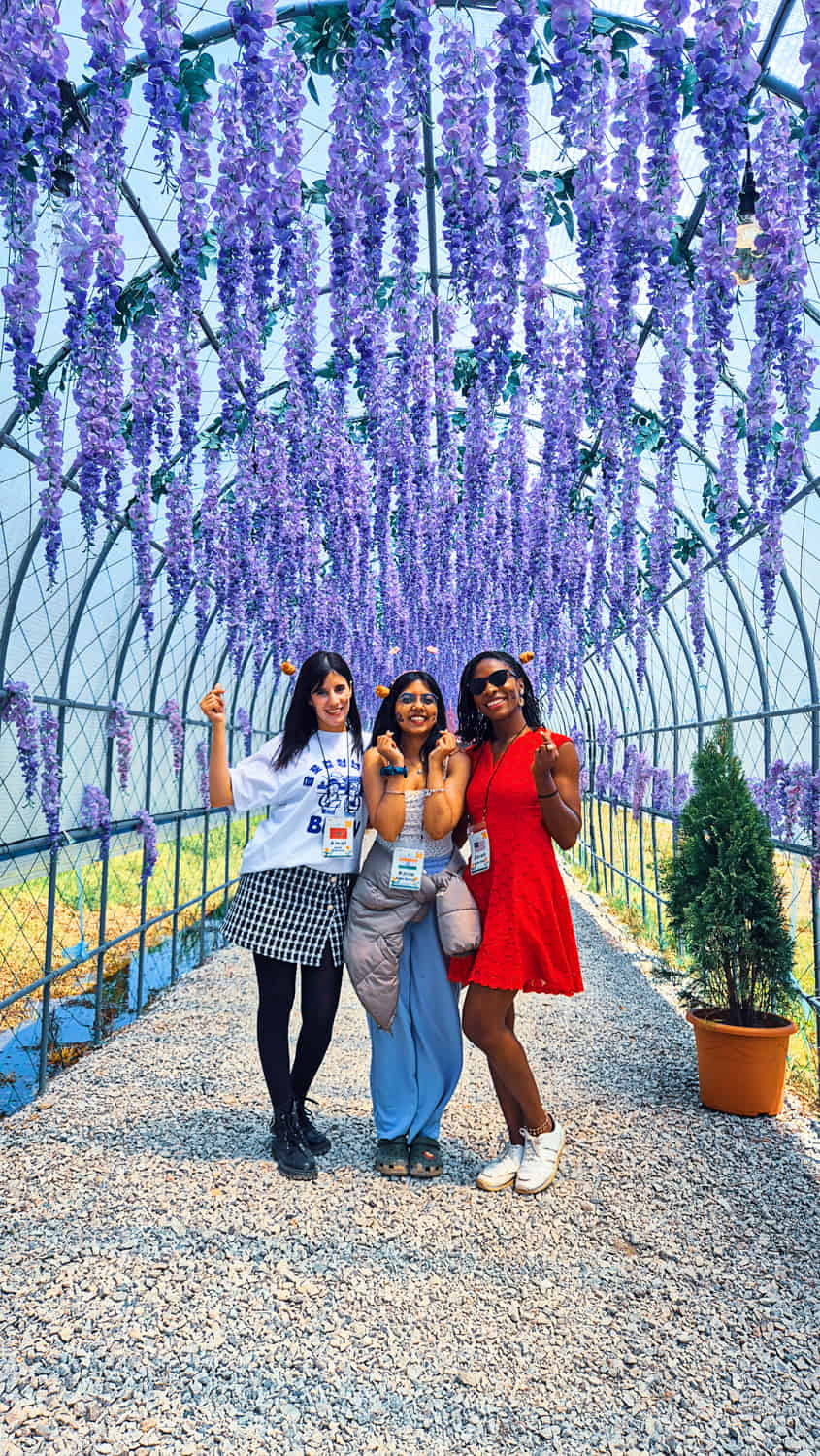
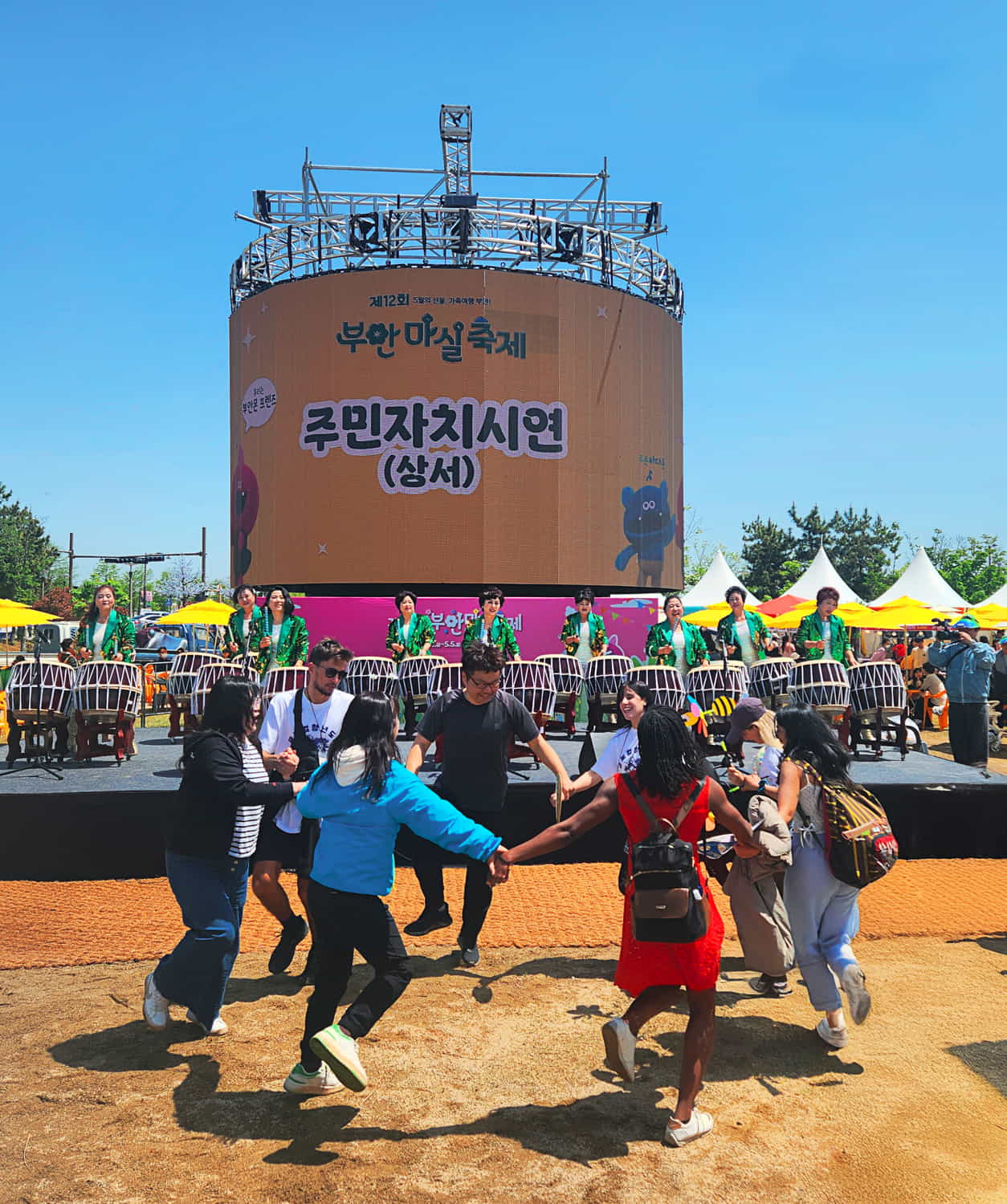
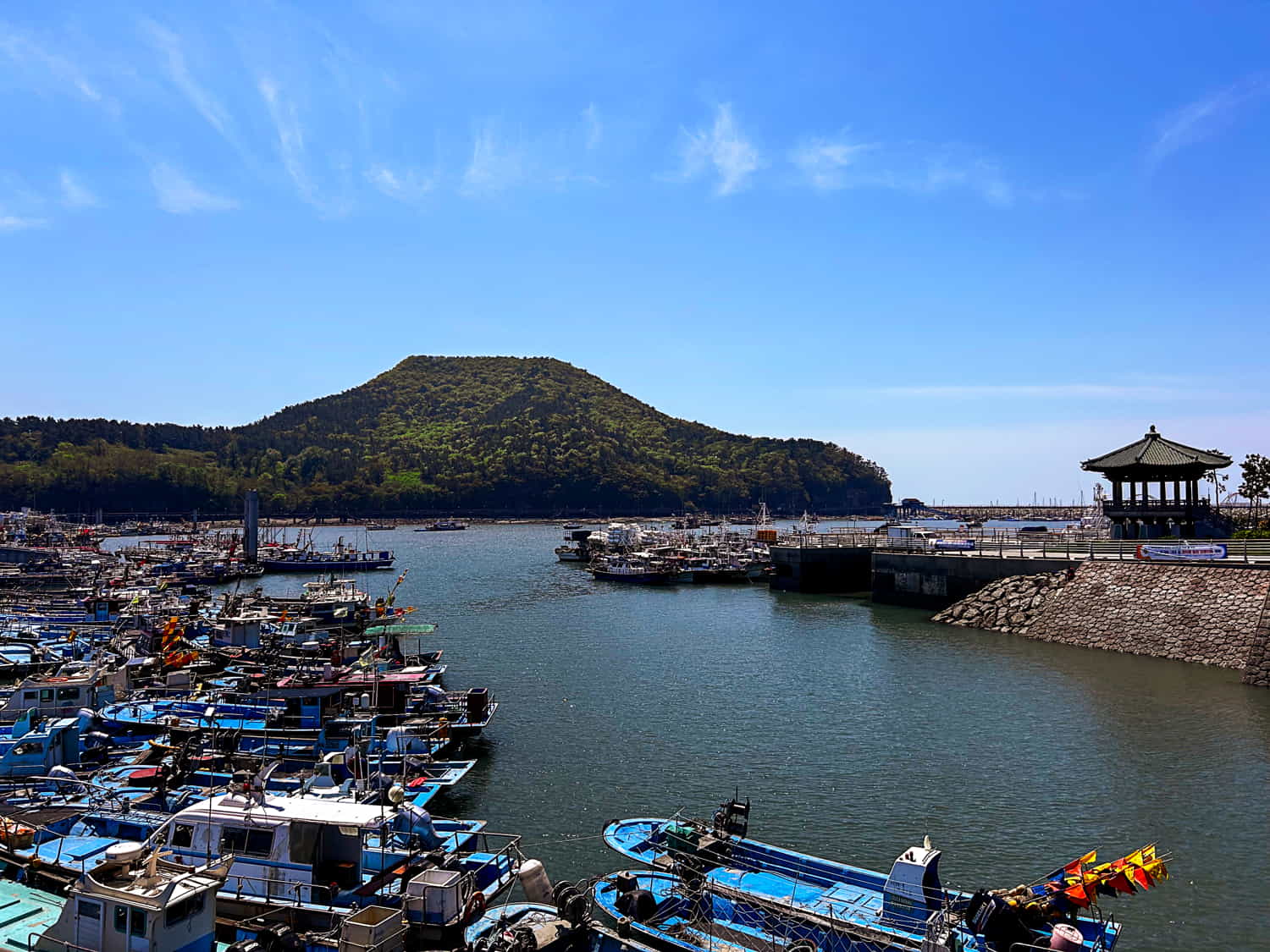
In warmer months, stroll on Byeonsan Beach or hop on a small boat cruise from Gyeokpo Port to explore the coastline from the water. And if you’re visiting in May, the Buan Masil Festival brings all 13 villages together for four days of food, craft workshops, performances, flower gardens, and light displays, welcoming spring in true community spirit.
Finally, if you need time to work, read, or simply sit with a cup of something warm, Buan has a surprisingly thoughtful café scene. Digital nomads will love the calm ambience of Julpo Manha Café, a bookstore, coffee shop, and guesthouse, built inside a reclaimed bathhouse. Beosnimnes offers a mix of garden café, wildflower farm, and experiential learning space, ideal for those who want nature with their caffeine. And Julpo Bay Ecological Center provides comfortable co-working areas with beautiful garden views.
What should travelers know about the food scene in Buan?
Buan is a paradise for travelers who love seafood and ingredients grown locally. The region is known for mulberries, rice, salt, and potatoes, so expect dishes that celebrate these staples.
At many local restaurants close to Mohang Beach, you’ll find Mulberry Leaf Clam Porridge or Venus Clam Porridge, both warming and perfect for cooler seasons. Clam Kalguksu (handmade noodle soup) is another favorite, especially if you’ve collected the clams yourself at the Mohang mudflats.
Raw seafood lovers should try cuttlefish or grey mullet sashimi, mild in flavor and best wrapped in lettuce with ssamjang, a soybean and chili paste.
If you prefer cooked fish, gizzard shad is typically grilled and eaten whole, bones included. Feeling more adventurous? Try Gomso Jeotgal, Buan’s prized naturally fermented and salted seafood mix. It’s not unusual to be served up to 16 varieties in one sitting, each with a distinct umami flavor.
For meat lovers, don’t miss General Gamjatang, a tiny, unassuming restaurant serving what may be the best gamja-tang (pork backbone stew) I’ve ever had. It’s hearty, comforting, and full of character. Located just a ten-minute drive from the Buan Celadon Museum, it’s a perfect way to end your day after a visit.
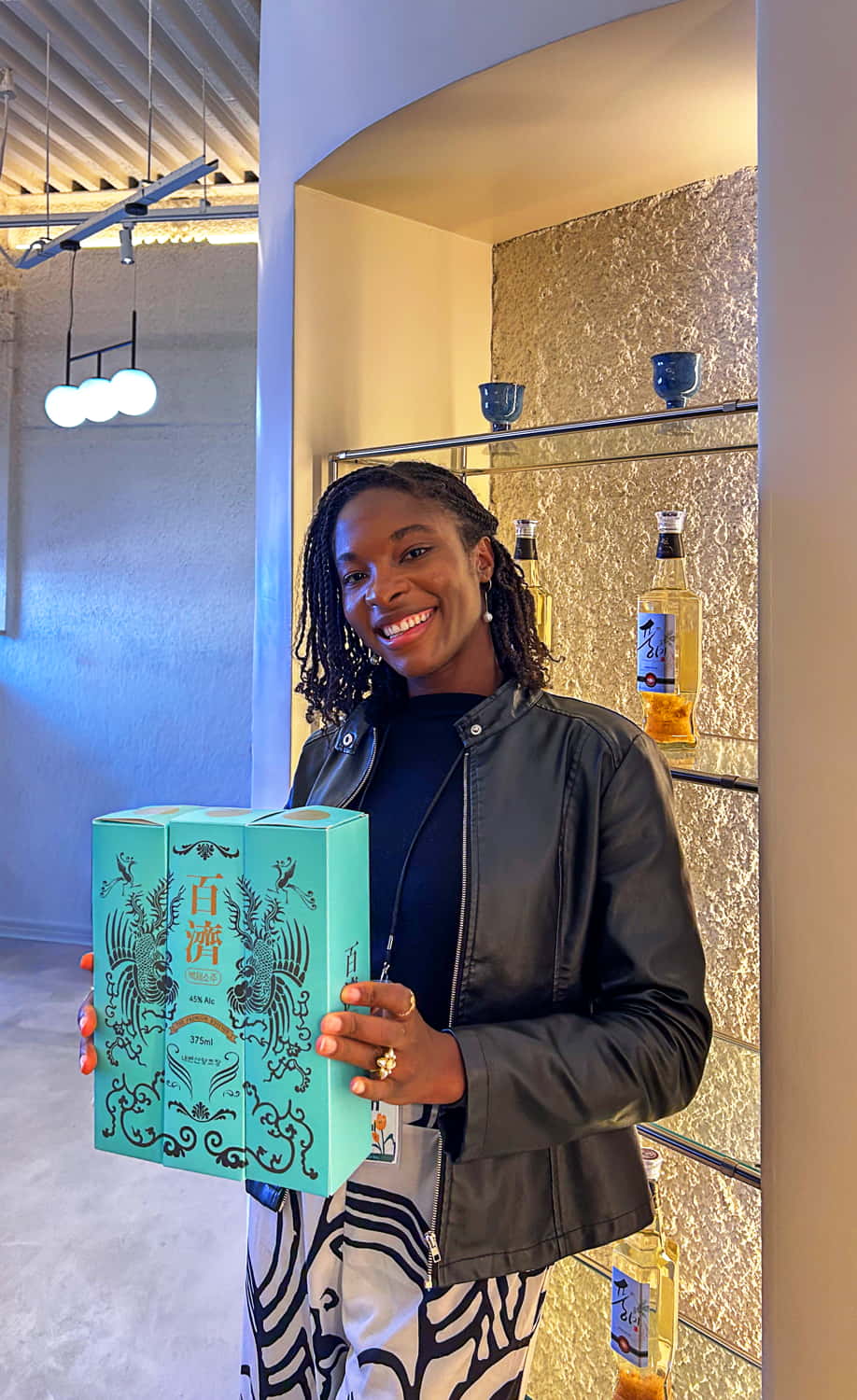
Wine enthusiasts have plenty to explore at Naebyeonsan Brewery, where you can tour the facilities and taste everything from the famous Buan Champpong mulberry wine to mulberry-infused makgeolli while learning how each drink is produced. It shows how modern Korean brewing is evolving while still rooted in traditional regional ingredients.
Buan seems like a quieter destination — was there any nightlife or evening activity in the area, and did you get to experience it?
Buan winds down with the sunset. It isn’t the place for late-night parties or neon-lit streets, and that’s part of its charm. The only evening excitement I experienced was during the Masil Festival, when celebrations continued after dark.
What should travelers know about safety in Buan?
Safety always varies by traveler and region, but South Korea is generally considered one of the safest countries in the world, and Buan is no exception. You can leave your belongings unattended and find them exactly where you left them. You’ll have no worries walking alone at 3 am, besides staying quiet, as most residents are asleep. That said, it’s always wise to use your judgment.
Do you have any closing thoughts on Buan?
Learn a little Korean before you go. Simple phrases not only put smiles on locals’ faces, but they also open you up to richer experiences. The more you know, the more conversations you’ll have, and the better your visit will be.
A quick tip: many places in Buan are tricky to find by their English names on Naver Maps, South Korea’s most widely used search engine. To make your trip easier, I’ve included extra details for any locations mentioned here that aren’t easily found through a Google search.
Bbongdi Ire Farm
이레농원
Website: https://smartstore.naver.com/odisesang
Instagram: @bbondi_farm
Maps: https://maps.app.goo.gl/qhch8Qmbzbhi8czP9
Mohang Mudflat Experience Center
모항갯벌체험장
Maps: https://maps.app.goo.gl/HPHmP4Z8qo6zWpNx7
Julpo Manha Café
줄포만하
Maps: https://maps.app.goo.gl/UbjtmABqhJwJwSE58
Beosnimnes
벗님넷(포레도)
Maps: https://maps.app.goo.gl/jRZ45yLSdXKfMeqq6
Julpo Bay Ecological Center
부안줄포만노을빛정원 갯벌생태관
Maps: https://maps.app.goo.gl/5rMJ4PtcZJMtKeYt9
General Gamjatang
장군감자탕
Maps: https://maps.app.goo.gl/AwW4MBLJJG9DZzVb9
Naebyeonsan Brewery
Website: https://www.dongjinwine.co.kr/
Instagram: @mulberryxbuan
Sigor Life
Website: https://smartstore.naver.com/sigor_life
Instagram: @sigorlife.official
ChamCham Trip
Website: https://www.chamchamtrip.com/
You can also visit the Buan Tourism Website to learn about more activities: https://www.buan.go.kr/eng/index.buan
Sarah O Vidal
Sarah O. Vidal is a Nigerian-American deep traveler drawn to local culture, hidden stories, and ways to give back to the places she visits. From exploring the history of cities to immersing herself in community-led projects, she believes travel is most rewarding when it’s slow, curious, and reflective. She now travels as a part-time digital nomad, after founding Cultured Creative, a brand consulting and design studio that helps responsible tourism businesses get noticed and connect with the right guests. Having seen too many local restaurants, lodges, and tour operators struggle for visibility, she started the studio to guide these businesses in growing intentionally while keeping purpose, people, and profit front and center.
Countries 8
Points +1
Footprint 0


Have you visited this city?
Log in to add an extended review and see personalized scoring.