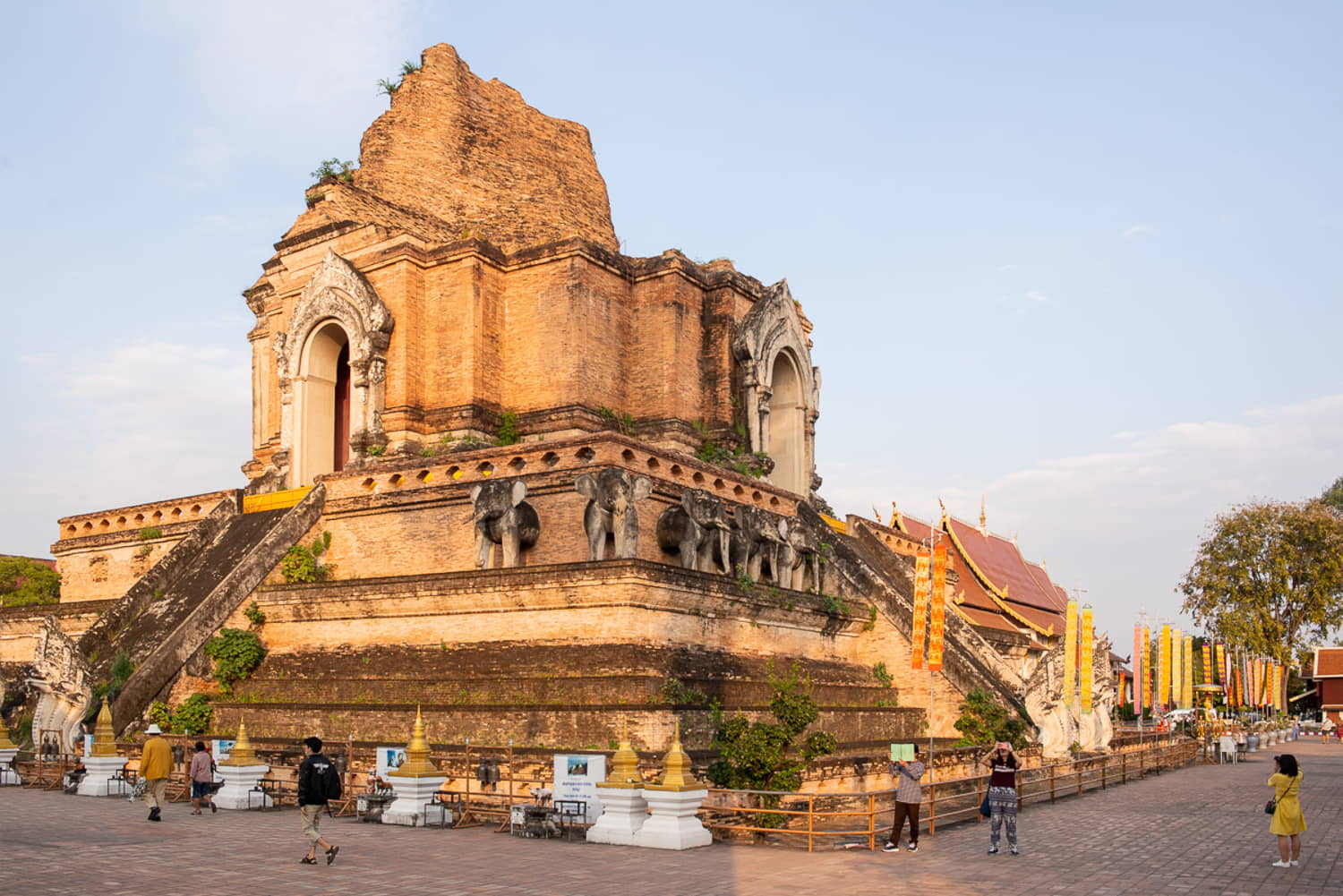
Chiang Mai, Thailand
Adventure Travel & Outdoor Activities
Trip Perspectives
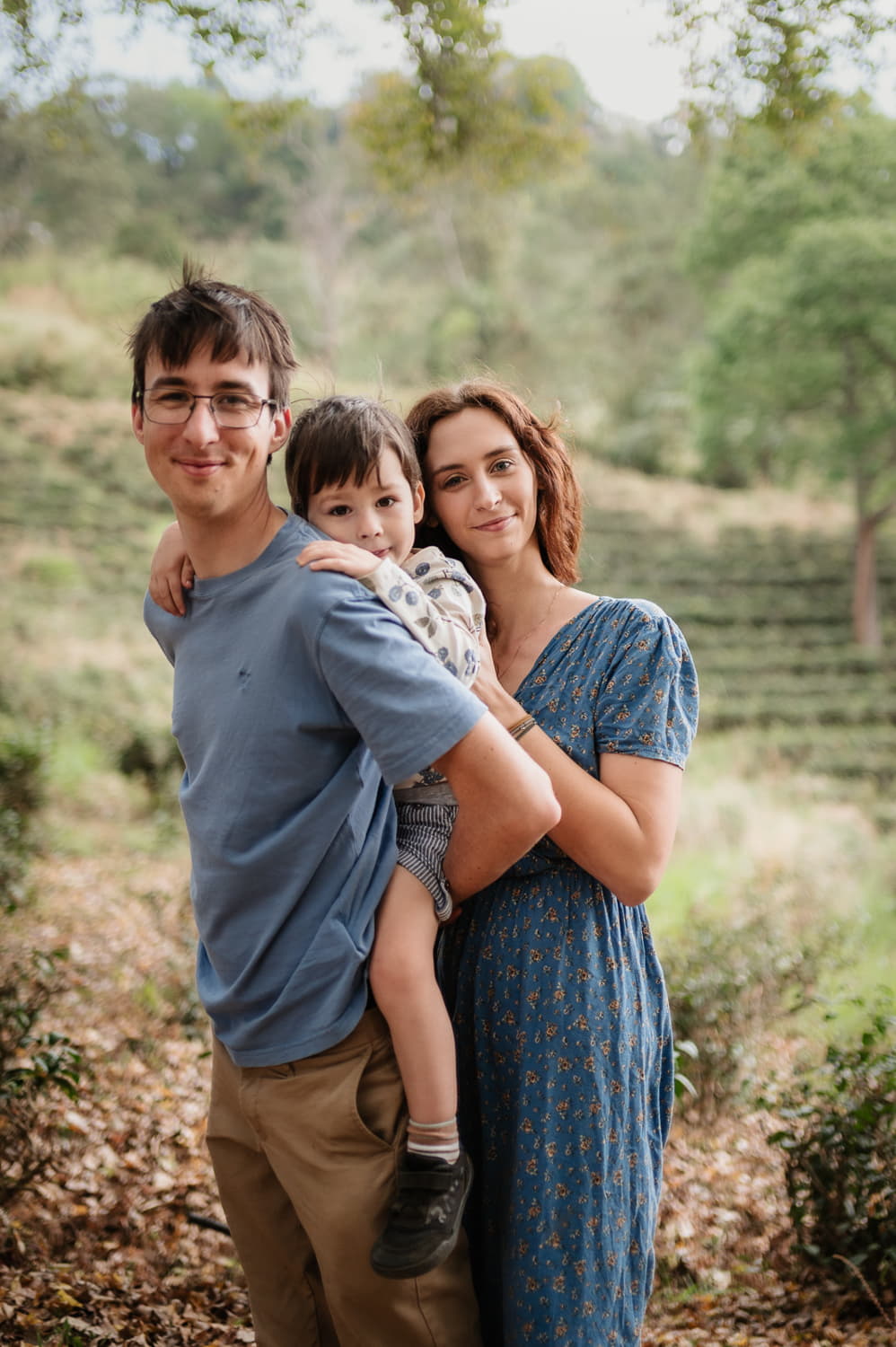
You've gone from digital nomad to family traveler. Tell us a bit about yourself and how that changed your travel style?
I started traveling in high school, hitchhiking around Europe, couchsurfing, and trying to see everything. Pretty quickly, I realized the best part had nothing to do with sights — it was the people. Watching how locals live, getting lost in random neighbourhoods, shooting street photos.
Food and coffee have always been part of it too. Some of my favourite travel memories revolve around both — a taxi driver in Tehran inviting us home for dinner with his family, stumbling onto incredible dishes at local markets, becoming regulars at a café and ending up friends with the baristas.
Going nomad felt like a natural next step. It let me slow down, stay somewhere for a month or more, and build real connections — with locals, expats, other nomads. Moving less meant experiencing more.
That mindset made the shift to family travel surprisingly smooth. And now I get an extra layer I never expected: seeing everything through my three-and-a-half-year-old’s eyes. He notices things I’d walk right past — and somehow, he gets us through doors with locals even faster than I ever could alone.
10 winters is a significant amount of time. What keeps drawing you back to Chiang Mai?
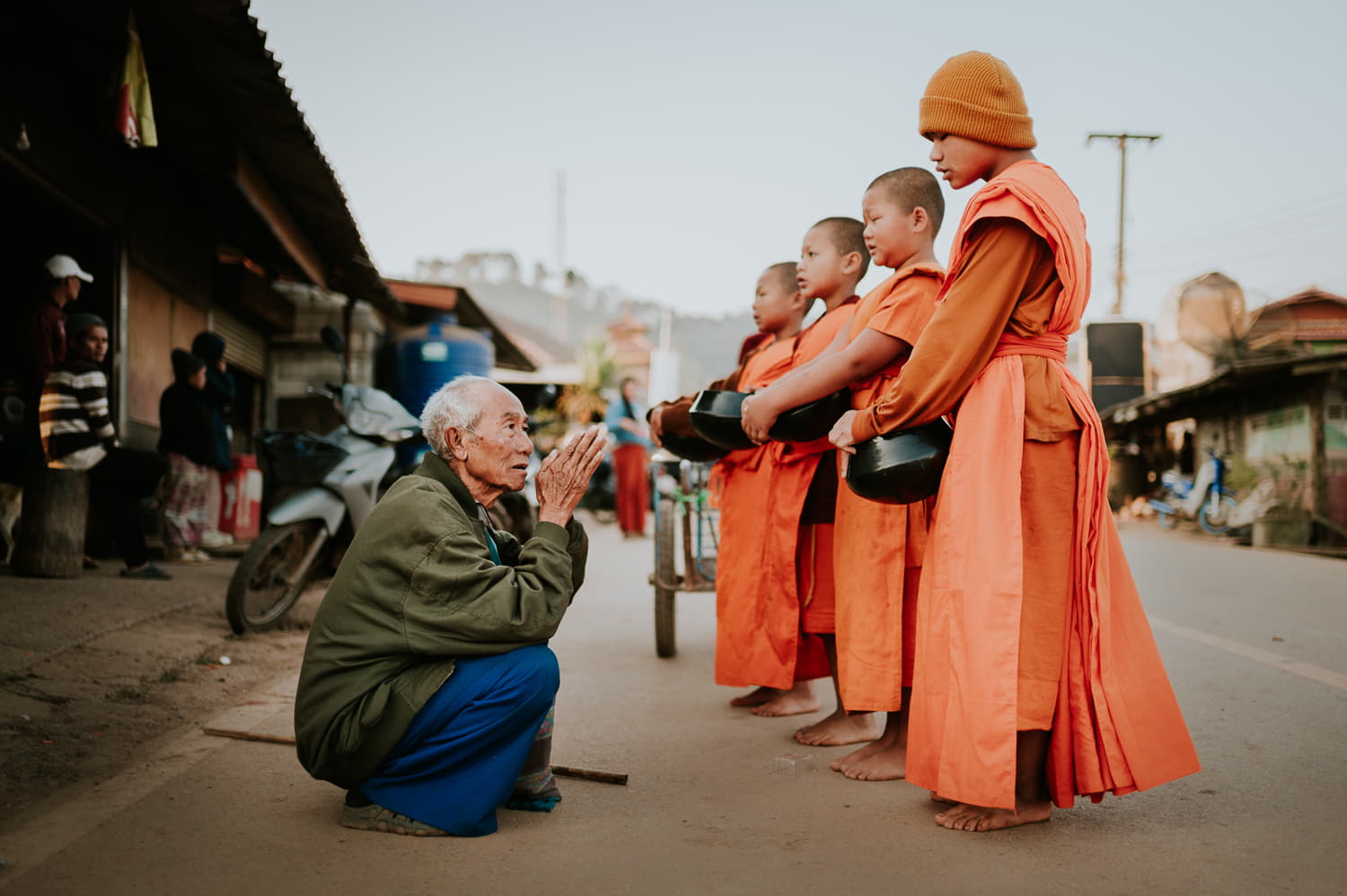
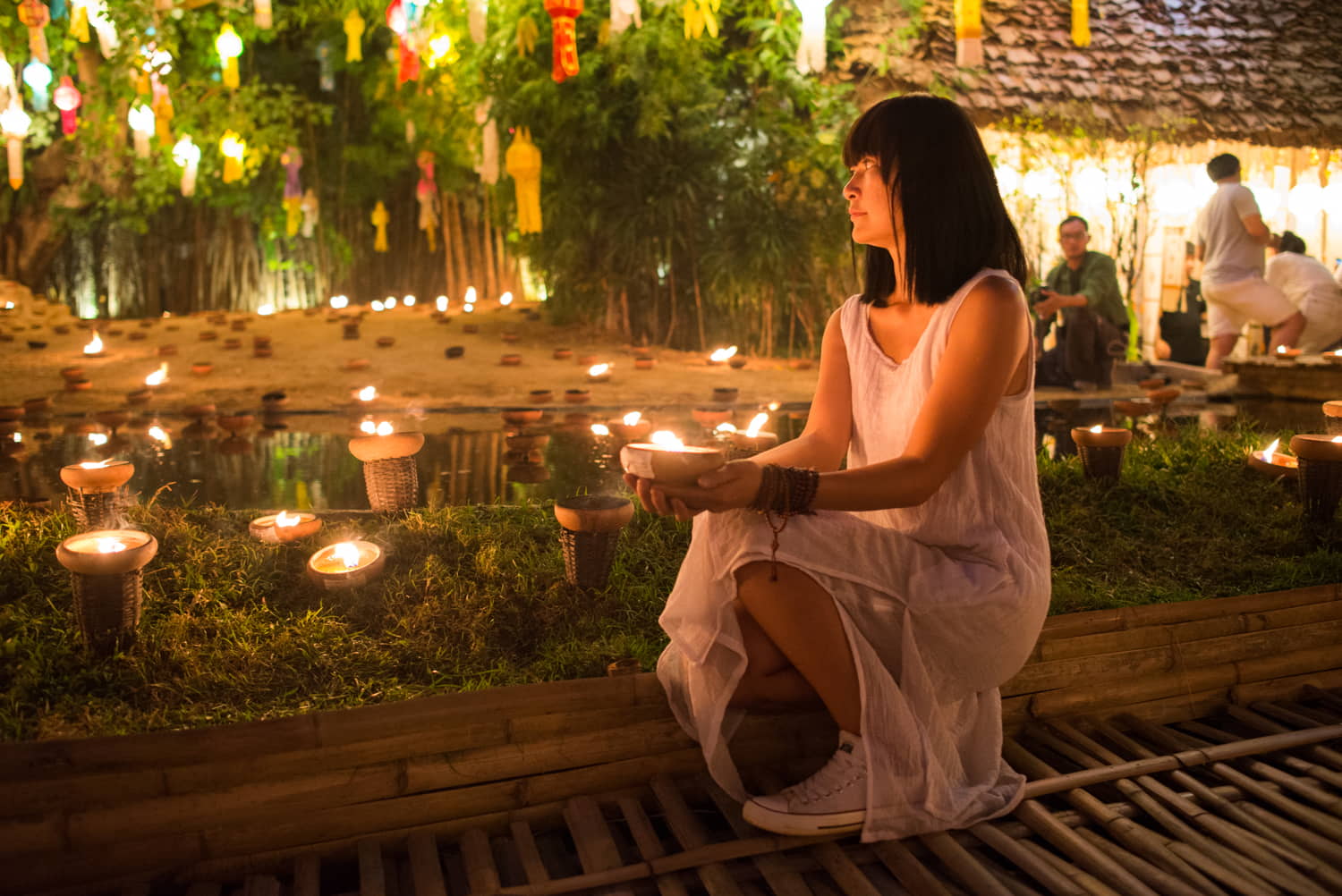
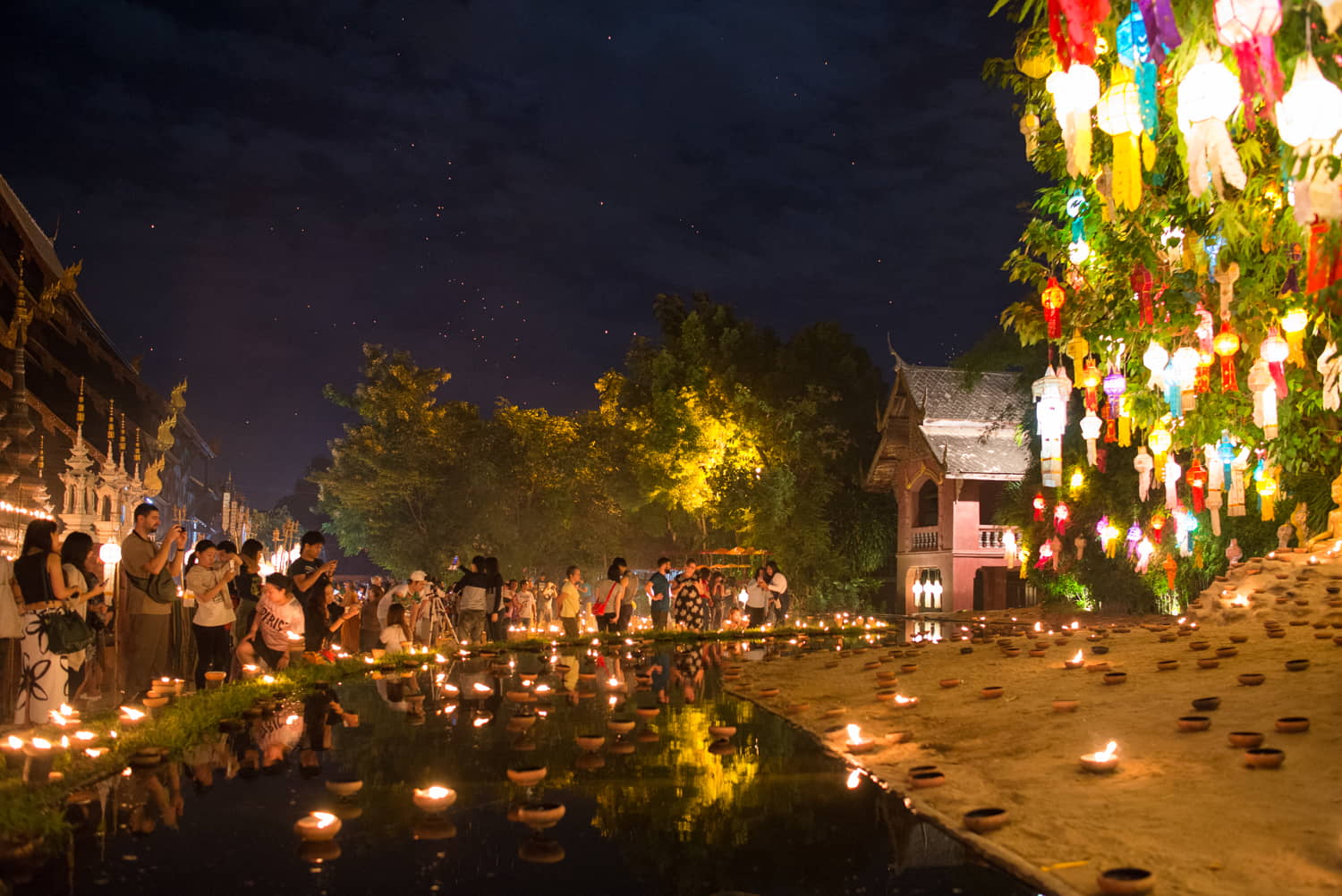
Chiang Mai fits my travel style perfectly. I love the beauty and richness of its history — early morning or sunset walks through the old town never get old. Imagine the smell of incense mixing with grilled chicken, sweet broths, curry leaves and lemongrass. Birds, distant chanting from centuries-old Buddhist temples, and an unexpected sense of peace and quiet — even with the roar of motorbikes bleeding in from the main road nearby.
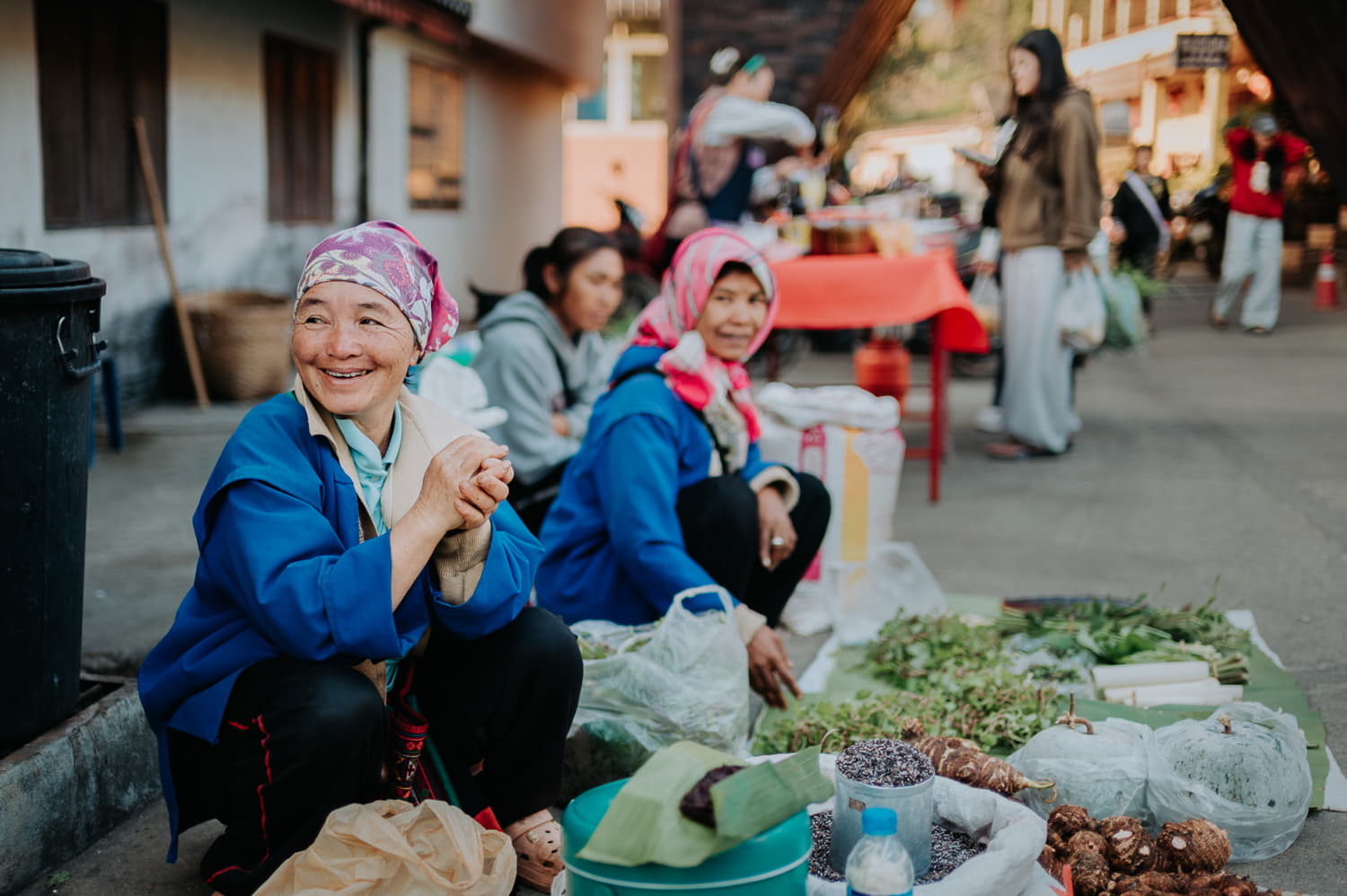
Despite welcoming huge numbers of tourists every year, it’s still easy to find yourself the only foreigner in sight. It’s also one of the world’s great food cities — from street BBQ stalls, night markets and authentic Northern Thai eateries to excellent Thai, Japanese and Korean restaurants on the higher-end. And the coffee scene is just the cherry on top.
Because it’s a digital nomad hub, a university city, and a retirement favourite for Americans, Europeans, Australians and Japanese, you meet genuinely interesting new people constantly.
But two things pull me back more than anything else:
The locals. There’s a street restaurant where they don’t just remember my name after ten or twelve months away — they remember my order. I walk in, wave, say “same same,” and that’s it. Nothing makes you feel more at home than that.
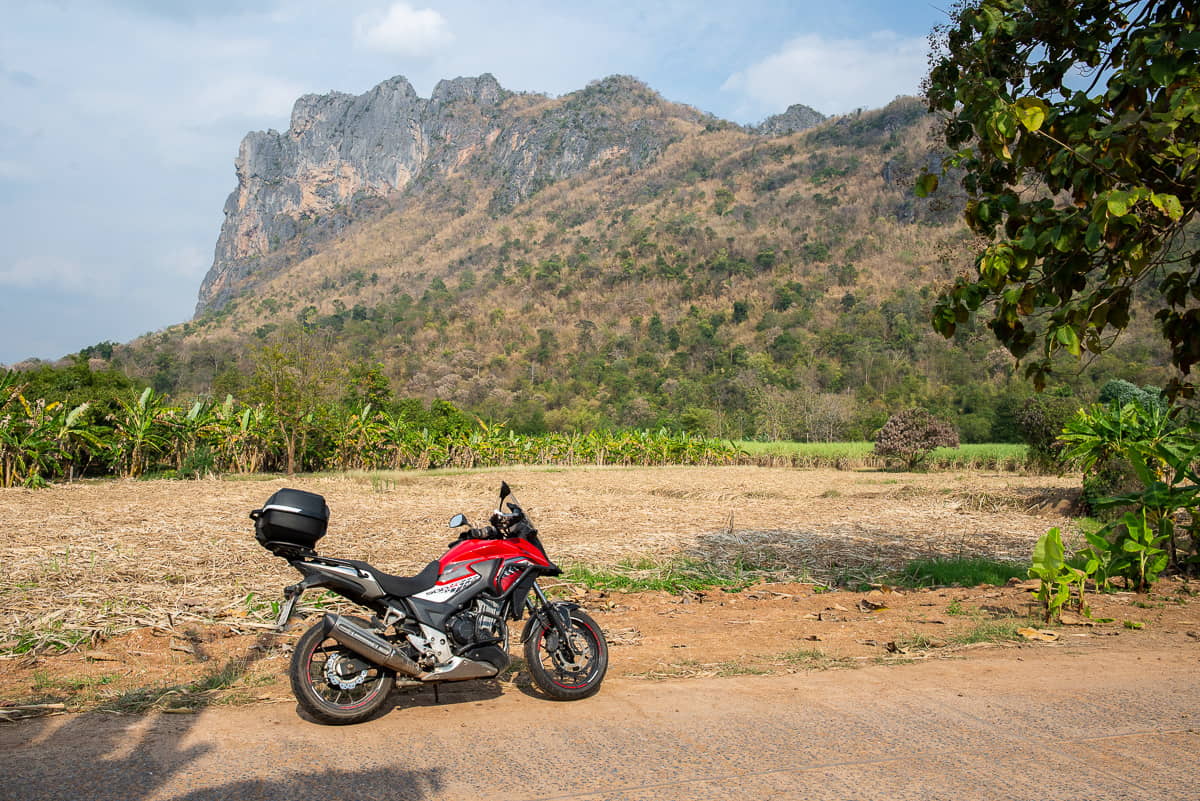
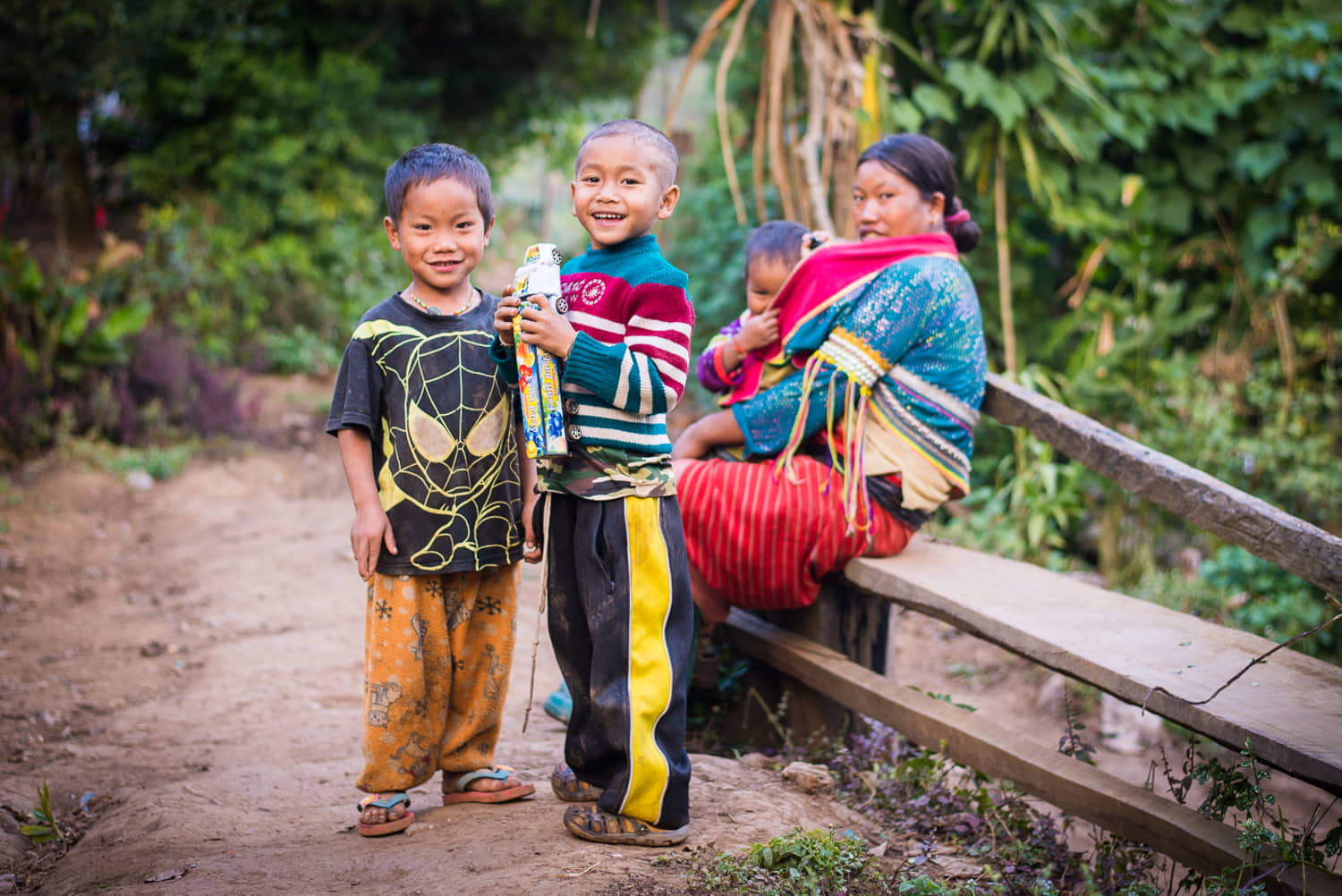
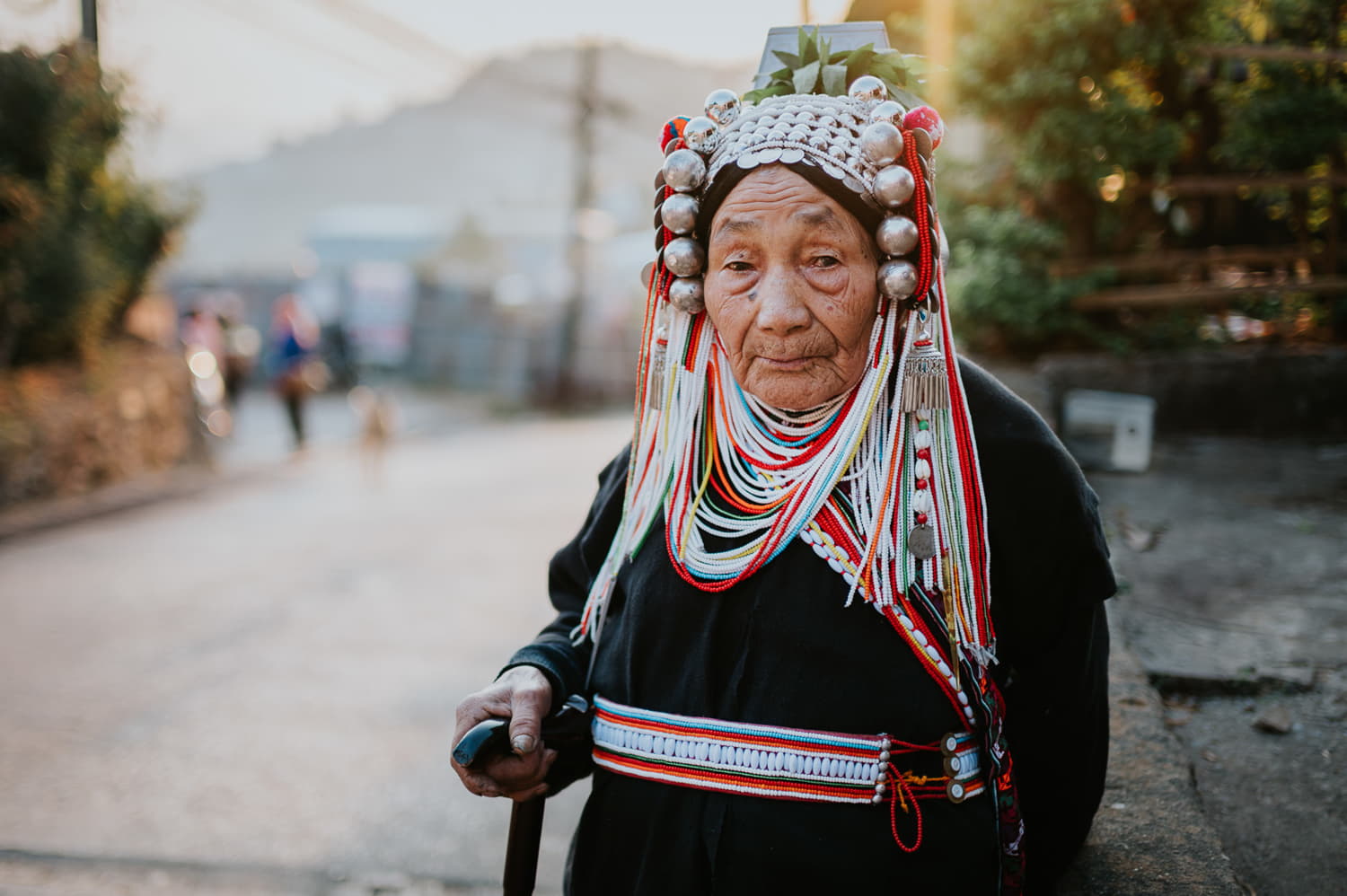
Northern Thailand itself. Chiang Mai is the perfect base for exploring the mountains, national parks, waterfalls, ethnic villages and incredibly rich history beyond the city. I used to do it on a big motorbike. Now we rent a car — and wandering the countryside with no fixed plan turns out to work just as well with a small child in tow.
Who do you think would connect most with Chiang Mai?
Chiang Mai is rare in that it genuinely suits very different kinds of travelers — and suits them well.
Digital nomads have made it one of their global capitals for good reason: fast internet, great coffee shops, low cost of living, and a built-in community. Solo travelers find it easy to navigate, safe, and full of opportunities to connect with both locals and other wanderers. Foodies could spend weeks here without scratching the surface — Northern Thai cuisine alone is a rabbit hole worth falling into.
And families with young children will find it surprisingly stress-free: the pace is gentle, the locals adore kids, and day trips into the mountains make for memories that last.
The one honest caveat: if you’re chasing big-city nightlife or high-end shopping, look elsewhere. Chiang Mai feels more like a large village than a metropolis — and that’s precisely what makes it special for everyone else.
You've explored the surrounding region extensively by motorbike. Which specific experiences stood out most?
If it’s your first time, start with three national parks that are easy to reach from the city.
Doi Suthep sits just above Chiang Mai. Begin at the sakura orchards of Khun Chang Khian, stop at the Hmong village of Doi Pui, and only then climb the stairs to the famous golden Wat Phra That — ideally just before sunset, when the light is extraordinary and the crowds have thinned.
Doi Inthanon, Thailand’s highest peak, rewards those who go slower than the tour buses. Rent a bike or car, stop at the waterfalls hidden further from the main road, walk the beautiful Yod Doi Nature Trail just below the summit — and again, time your visit to the famous royal pagodas for late afternoon.
Chiang Dao is the laid-back one — caves, a strikingly photogenic mountain, and an atmosphere that feels a world away from the city.
For all three, the rule is the same: go a little further than the organised day trips take you. That’s where the magic is.
Further afield, a few places I keep returning to. The ethnic villages of the Mae Hong Son district — many only reachable by dirt road — feel like stepping back two centuries. Doi Mae Salong captivates me every time: colourful hill tribes, deep valleys, remarkable tea, and some of the best Chinese food you’ll find in Thailand. And Nan district in the east is still largely undiscovered — we’re actually thinking of making Nan or Chiang Rai our base next winter.
You mentioned eating tons of amazing meals. How would you describe the local food culture?
Northern Thai food is its own world — quite different from the Thai cuisine most people know. The dish everyone should try is khao soi, a rich, coconut-based curry soup served with both soft and crispy noodles. It’s comfort food at its finest, and Chiang Mai is the best place in the world to eat it.
But honestly, some of my favourite meals have been the simplest. Street barbecue — smoky grilled meats eaten at a plastic table on the pavement — is a nightly ritual I never get tired of. For something more specific, Cherng Doi Roast Chicken is a local institution, and RAWtruckr does Korean-style fried chicken that’s become a firm family favourite.
The coffee scene deserves its own mention. Northern Thailand is quietly becoming a serious specialty coffee-producing region, and Chiang Mai has the cafés to match. Nine One Coffee is my long-standing go-to. This year I stumbled across Farm Story House — a paradise for real coffee geeks, where you can taste beans from many different Thai farms side by side.
And one unexpected discovery this year, courtesy of our three-year-old: Let Grow, a place where kids make their own pizza and then watch it go into the oven. It was a small thing, but the kind of moment that sticks.
What is Chiang Mai like after dark?
As I mentioned earlier, Chiang Mai isn’t a world-class nightlife destination — and that’s fine by me. What it does have is something I’d take over a club scene any day: laid-back local pubs, often with good live music. And since Thais tend to be reserved, these are actually some of the best places to break through and have a real conversation with locals.
The night markets are unmissable. The best approach is to graze — small portions of many different dishes, a bit of browsing for clothes or souvenirs, and a general sense of the city coming alive after dark. Just steer away from the super-touristy Chiang Mai Night Bazaar and head instead to the Saturday Night Market on Wualai Road or some of the smaller neighbourhood markets. You’ll blend in rather than stand out.
For cocktails, MAI The Sky Bar is worth the trip for the views alone. The bars along the Ping River have a relaxed, convivial atmosphere, and Surr Bar on Nimman Road is a reliable favourite.
Navigating changes with a young family. How did you find getting around Chiang Mai?
Thais love kids — and kids love Thais back. The affection is expressed quietly compared to, say, Vietnam: warm smiles, small treats slipped across restaurant tables, an invitation to try something new. It never feels overwhelming. I’m fairly convinced Thailand is the best country in the region to start exploring with children, and Chiang Mai is a wonderful home base for it.
The city has embraced family life in small, thoughtful ways. There are plenty of cafés with proper indoor playgrounds, and we loved After School, a huge covered sand playground that became a regular stop. Even out in the countryside, you stumble across little surprises — fishponds where kids can feed the fish, water features to cool down in, colouring books left out at café tables.
One honest warning though: Chiang Mai is not a walking city, especially with small children. The pavements are uneven, traffic is relentless, and most people end up taking taxis even for short distances. You adapt, but it’s worth knowing in advance.
On safety — outside of the traffic, which deserves real respect — Chiang Mai feels genuinely relaxed and secure. It’s one of the reasons families keep coming back.
The one thing I’d flag for everyone, not just families: smoke season. From March to April, farmers burning fields across the region push air quality to genuinely harmful levels. It can be bad enough to affect your health and visibility for weeks at a time. Plan your visit outside that window — and if you’re considering it as a long-term base, factor it into which months you come.
Chiang Mai remains genuinely affordable, especially compared to Thailand’s beach destinations, which have crept up significantly in price. A street meal still starts at around 35 THB. A good specialty coffee runs 65–100 THB. Accommodation offers real value at almost every level, from guesthouses to comfortable long-stay apartments.
But a few things are worth spending properly on.
First, elephant experiences are a minefield. The industry is rife with venues that look ethical on Instagram but aren’t. My honest advice: either skip them entirely, or do very deep research before booking. A legitimate sanctuary won’t have riding, performances, or paint brushes involved.
Second, travel insurance and driving licences — this is the one most visitors get wrong, and it can be catastrophic. Many people rent a motorbike assuming their US or EU licence covers them. In practice, the police don’t really care — fines are laughably low, around 400–500 THB, and you’ll be waved on your way. But if you have an accident, you’re exposed in two ways: many travel insurance policies exclude motorbikes and scooters altogether, and even those that don’t will often refuse to pay out if you were riding without a valid licence for that vehicle class. Accidents in Thailand are frequent. This is not a corner worth cutting.
Everything else? Chiang Mai rewards the curious and the unhurried. You don’t need to spend much to eat brilliantly, explore endlessly, and live well.
Looking back on ten winters, what has this city come to mean to you?
After ten winters, this place feels like home in the truest sense — not just familiar, but necessary. I’ve never run out of places to explore, stories to uncover, or reasons to come back. And somewhere along the way, sharing Northern Thailand with others became just as important as discovering it myself. If this interview sends even a few more curious travelers in this direction, that’s more than enough.
See you in Chiang Mai!
matousvins
I'm an experienced traveler with 40+ countries visited, a digital nomad, photographer, and travel writer. I've spent more than two years in Thailand, exploring the country in depth—especially the north—by motorbike. I also actively travel with my family, including van trips across Europe. I love to travel slowly, meet people, get to know the ordinary, "boring" neighbourhoods and places. Some people also know me as musician, marketer or public speaker.


Have you visited this city?
Log in to add an extended review and see personalized scoring.