


Foreign Currency Tips and Tricks Before Traveling Abroad



by Michael Piccioni of CanAmCurrencyExchange.com/
Follow these foreign currency exchange tips before you travel to another country
Foreign currency tips are useful for anyone traveling out of the country for the first time. Although many people focus on planning the trip and packing all the essentials, most forget that money plays an important part.
In this post, we share twelve foreign currency tips to help you manage your money (funds) while traveling and get the most value out of your money.
Notify Your Bank And Credit Cards Of Your Travel Plans
About a week before you travel, notify your bank(s) (or banks) and credit card companies of your intentions to travel. Doing so may be as simple as enabling a travel option in your online account or calling and notifying them directly. Taking this step will ensure your cards do not get blocked during your travels.
Get A Credit Card Without Foreign Transaction Fees
Some cards will charge you extra for transacting while overseas. One of the more crucial foreign currency tips is to get cards that do not have these fees. Doing this may mean applying for a credit card that is optimized for overseas travel.
Consider Withdrawing Cash From An ATM Abroad
When abroad, your best bet for getting fair exchange rates is to use an ATM. If you cannot find an ATM belonging to your bank, most branded cards (Visa, MasterCard) charge a nominal fee to withdraw foreign currency from affiliated ATMs.
Avoid Currency Exchanges At Airports
Currency exchange shops at the airport often charge exorbitant exchange rates. Instead, find an ATM and withdraw foreign currency from there instead. If you cannot find one (highly unlikely), exchange just enough money to get you to your hotel and possibly an ATM.
Research And Understand The Local Currency
When in a foreign country, you will have to do a lot of mental calculations when making purchases and payments. Take some time to research the local currency, familiarize yourself with the different denominations, and understand the cost of living, like how much is a good tip.
Look For The Best Exchange Rates
Use a currency converter like XE (xe.com) to get a baseline of how much the country’s currency exchanges for. Using this information, consider all the options you have (hotel, ATM, forex bureau, foreign bank) and determine which one has the best exchange rate.
Track Foreign Exchange Rates
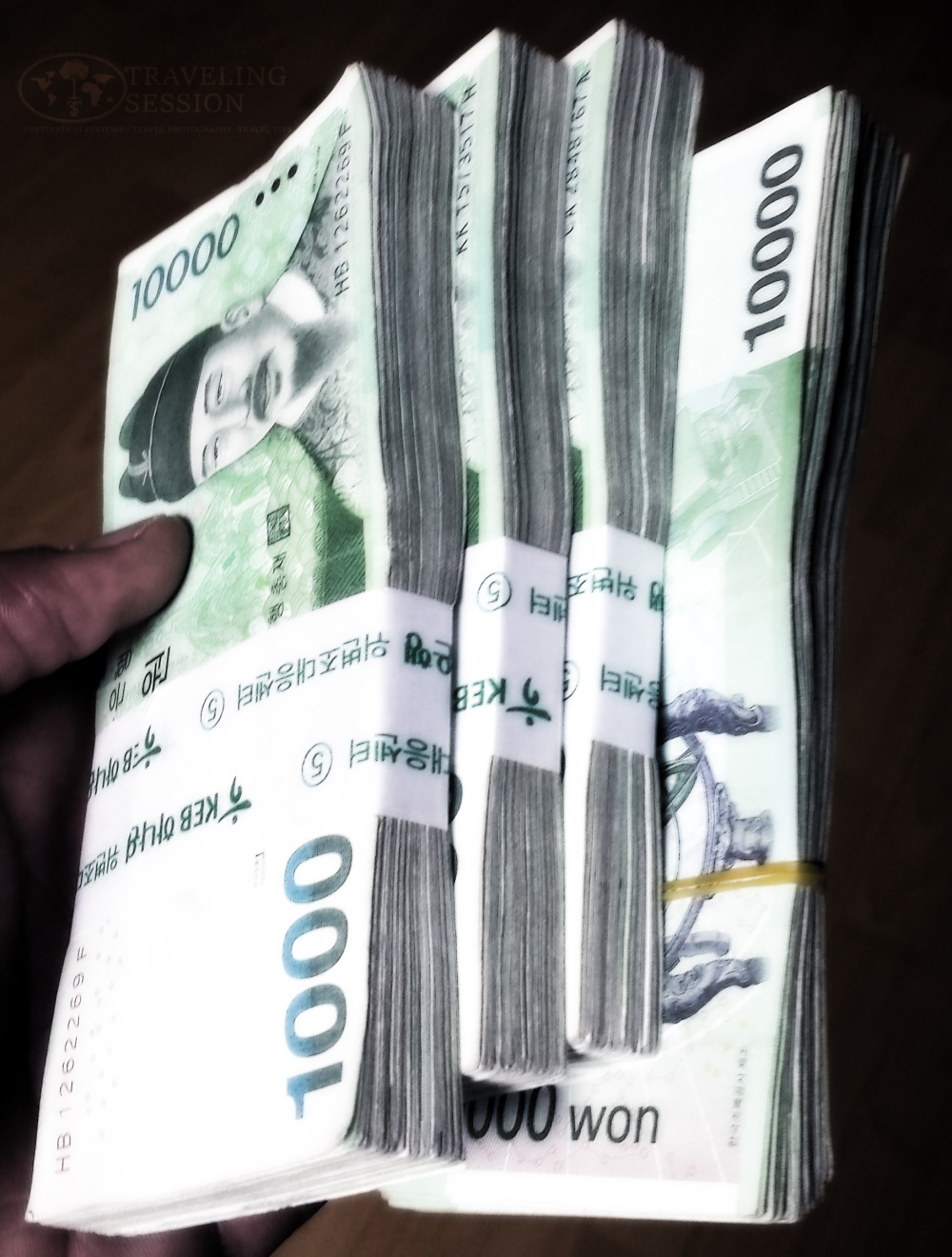
If you plan to be in a foreign country for a long stay, or travel from one country to another, tracking foreign currency exchange rates can be useful. Doing so will help you understand how much you are getting for your money, even though the exchange rates or currencies change over time.
Use Credit Cards For Large Purchases
For more significant purchases, pay with a credit card instead of a debit card or cash. The logic is simple – if your card gets compromised or stolen, the card has a limit, you can request a chargeback, or report it stolen and have it canceled.
Keep Some Cash For Emergencies
Suppose you lost all your cards while on a trip, having some local and foreign currency can be a lifesaver. Therefore, make sure to put aside some money for a rainy day, ideally stored somewhere other than the rest of your cash.
Use Local Currency
Even though cards are widely accepted, using the local currency as often as possible can help you save on foreign exchange rates, not to mention making your payments slightly more convenient. Carry and use local currency when making small purchases at informal stores, paying tourist site entrance fees, and buying that odd water or trinket on the streets. (or buying something as little as a water bottle or souvenier.)
Use a Foreign Currency Budget
Having a travel budget in your local currency is useful but does not help much when you have foreign currency in your pocket. If you plan to exchange a substantial amount of money, create a simple budget to track your foreign currency spending. This way, you know when you are overspending and when you may need to exchange more money.
Spend Your Remaining Foreign Currency
If you have some foreign currency (coin) left after your trip, plan to spend it before traveling back home. Foreign currency exchanges tend to (not accept foreign coins) offer terrible exchange rates for small amounts and small denominations of foreign currency. Spend (the change you have left) what you have left (if it is less than $50) at the airport. Buy some water or a snack or a trinket to remind you of your time in that foreign country. With these foreign currency tips, we hope you now have a good idea of how to handle foreign currency when traveling.

Michael Piccioni
Michael has established himself as the founder and CEO of CanAm Currency Exchange, a leading currency exchange provider headquartered in Ontario, Canada. Committed to the profession, his passion in the financial industry can be traced back to over 20 years of experience. Having worked for Fortune 500 global financial services providers as a senior accountant, financial analyst, and most recently, having served as a senior economist. In addition, Michael was also a financial advisor for a large Wealth Management firm in Windsor. Beyond his industry experience, Michael has a keen interest in entrepreneurship, precious metals, and cryptocurrency and shares his insights through thoughtful articles and opinion pieces. Connect with Michael on LinkedIn or visit the CanAm Currency Exchange website for more information.





Have you visited this city?
Log in to add an extended review and see personalized scoring.